Contributor(s): Shared on: Categories: Tags: | Contribute a translation | Source (English) |
|---|
|
Almighty Father, God of the spirits of all flesh,
we would turn to Thee in all that we would do,
that in communion with the Highest,
our work might be exalted.
We cannot build the city—
we build in vain, unless we turn to
the Source of all that is and all that we are.
We would build our work
and we would carry on the work of building
with the thought of Thee,
with a realization of divine Providence
all about us.
Oh, give us strength,
strength of the spirit to the task
to which we have put our hands,
and give us wisdom,
the spirit of understanding,
of insight and of foresight
that we may realize to the full
our tremendous privilege
and our tremendous responsibility. | |
Oh, grant that the message we fain would carry
reach the sons and daughters of Israel
throughout this great and free land,
and even in the outlying places
in the far-distant beyond.
May we help them
to realize their spiritual heritage
and the great tradition of their past.
May we strive
to deepen their Jewish consciousness
to awaken in them a solemn pride
of the great heritage that is theirs.
May we help them
to realize the poetry and the beauty
of the usages and customs of Israel.
And may our guidance help them
to exalt and enlarge their recreations
so that we might contribute to
their joy of life. | |
Oh, Father,
fain would we bring the message of this work of welfare
to those who answered the call of their country,
went to the front, to the battle line,
ready to risk their lives,
ready to make the supreme sacrifice
and to the returned men unhurt,
unhandicapped in the great line of battle.
May that which we do for them
give them new courage and new cheer
to take up their life burden.
Oh, may the work that we do
in all the different Jewish communities
throughout America
stimulate in those communities
the duty that is theirs at hand.
May they feel the responsive hand
that we would stretch out to them,
so that together
we all may strive
and all may work to help
that the young men and the young women of Israel
may grow staunch as men and sweet as women,
loyal to their country,
fostering its free institutions,
bringing luster to Israel
and service to man. | |
Amen. |
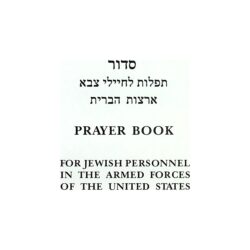
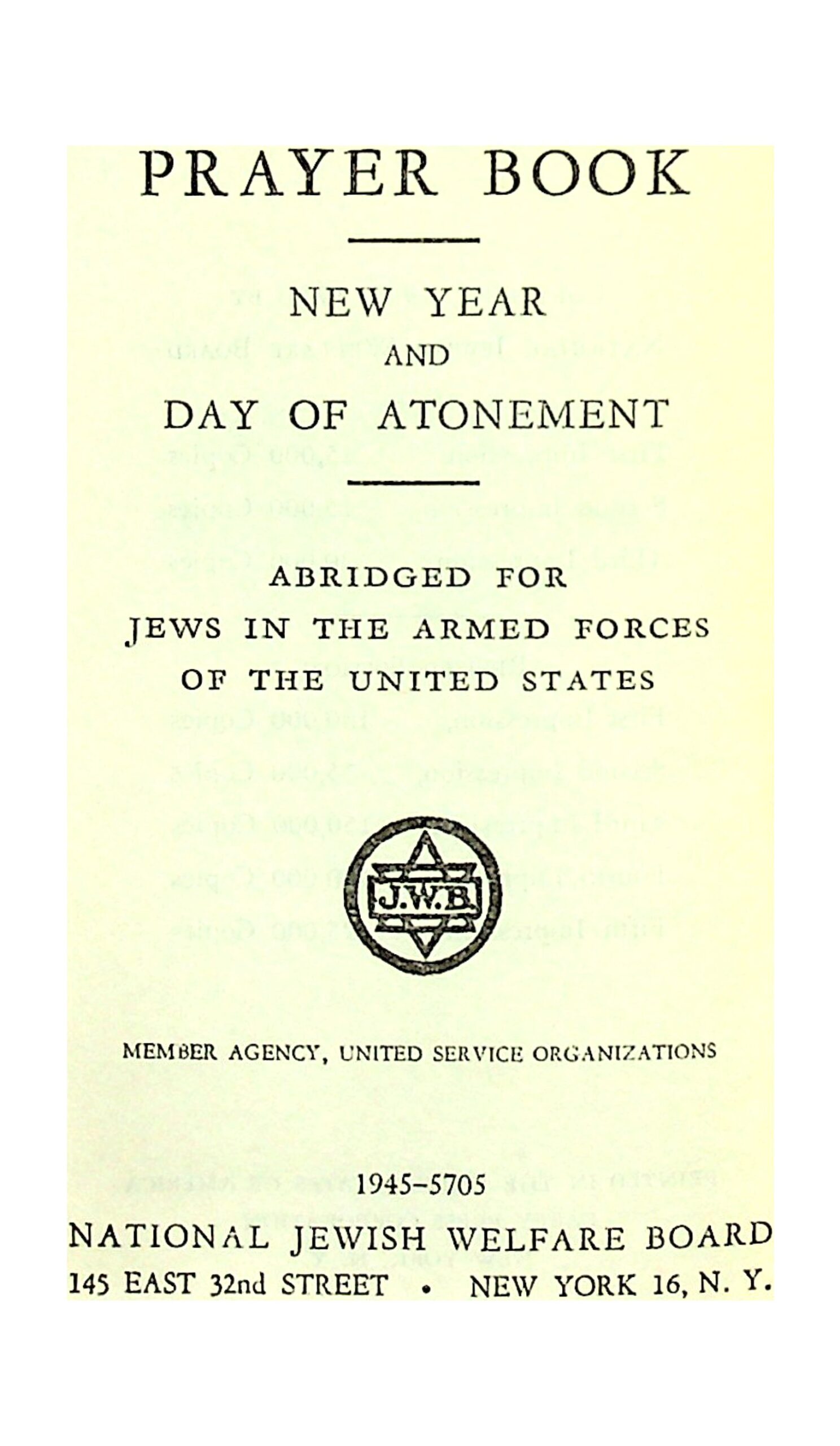
This is the opening prayer of the First Biennial Convention of the National Jewish Welfare Board offered by Rabbi Maurice H. Harris, and published in the Report of First Biennial Convention [of the National Jewish Welfare Board] (1922), p. 14. Source(s)
Aharon Varady (M.A.J.Ed./JTSA Davidson) is a volunteer transcriber for the Open Siddur Project. If you find any mistakes in his transcriptions, please let him know. Shgiyot mi yavin; Ministarot naqeni שְׁגִיאוֹת מִי־יָבִין; מִנִּסְתָּרוֹת נַקֵּנִי "Who can know all one's flaws? From hidden errors, correct me" (Psalms 19:13). If you'd like to directly support his work, please consider donating via his Patreon account. (Varady also translates prayers and contributes his own original work besides serving as the primary shammes of the Open Siddur Project and its website, opensiddur.org.) Rabbi Dr. Maurice Henry Harris (1859-1930) was a prominent Reform movement rabbi and writer in the United States. At the time of his death, he was president of the Association of Reform Rabbis of New York City. He wrote, People of the Book. A Bible history for school and home (1893), Jewish history and literature : a course of lessons from the rise of the Kabbala to the expulsion of the Jews by Spain (1899), History of the mediaeval Jews, from the Moslem conquest of Spain to the discovery of America (1924), A thousand years of Jewish history, from the days of Alexander the Great to the Moslem conquest of Spain (1927), Modern Jewish history from the Renaissance to the close of the World War (1928), and posthumously, Hebraic literature : translations from the Talmud, Midrashim and Kabbala (1946). We know very little else about Rabbi Harris's life and career. If you can add a detail, please contact us.  The National Jewish Welfare Board (JWB) was formed on April 9, 1917, three days after the United States declared war on Germany, in order to support Jewish soldiers in the U.S. military during World War Ⅰ. The impetus for creating the organization stemmed from Secretary of War, Newton Baker and Secretary of Navy, Josephus Daniels. The organization was also charged with recruiting and training rabbis for military service, as well as providing support materials to these newly commissioned chaplains. The JWB also maintained oversight of Jewish chapel facilities at military installations. In 1921, several organizations merged with the JWB to become a national association of Jewish community centers around the country in order to integrate social activities, education, and active recreation. These merged organizations included the YWHA, YMHA, and the National Council of Young Men's Hebrew and Kindred Association. In 1941, in a response to a mandate from President Franklin D. Roosevelt, six private organizations - the National Jewish Welfare Board, the YMCA, YWCA, the Traveler's Aid Association, and the Salvation Army - were challenged to handle the on-leave morale and recreational needs for members of the Armed Forces. On 4 February 1941, the six organizations pooled their resources and founded the United Service Organizations (USO). The National Jewish Welfare Board is now the JWB Jewish Chaplains Council, part of Jewish Community Centers (JCC) of North America. The JWB Jewish Chaplains Council sends prayer books, religious artifacts and supplies for Jewish holidays, including Passover Seder kits, Ḥanukkah candles, four species for Sukkot, and more. Read a comment / Leave a comment (moderated) Works of related interest: |
![the Open Siddur Project [logo]](https://opensiddur.org/wp-content/uploads/2018/09/Open-Siddur-Project-Logo-2016.svg)









Leave a Reply