![the Open Siddur Project [logo]](https://opensiddur.org/wp-content/uploads/2018/09/Open-Siddur-Project-Logo-2016.svg)
| Source (Hebrew) | Translation (English) |
|---|---|
[תפלה ”לעת מצוה“ (תהלים ו:לב)] |
[A prayer “For the Time When Thou Mayest Be Found” (Psalms 32:6) to be recited in the Synagogues of the Spanish and Portuguese Congregations on the occasion of the war in which this country is now engaged.] |
אשר יאמר אתה החזן בליל כפור. |
to be read by the Ḥazan during the Service of the Day of Atonement. |
אֱלֹהֵֽינוּ וֵאֱלֹהֵי אֲבוֹתֵינוּ׃ הַשְׁקִיפָה מִמְּעוֹן קָדְשֶׁךָ וּרְאֵה כִּי בְּצָרָה גְדוֹלָה אֲנַחְנוּ׃ קוֹל שָׁאוֹן מֵעִיר קוֹל תְּרוּעַת מִלְחָמָה שׁוֹד וָשֶֽׁבֶר וְאֶנְקַת חָלָל׃ |
O Lord our God and the God of our Fathers! We beseech Thee, look down from Thy heavenly abode and behold the troubles of the present time. War speeds through the lands, the clash of arms, the shout of battles rises higher and higher. |
שְׁמַע קוֹלֵֽינוּ חוּם וְרַחֵם עָלֵֽינוּ׃ כִּי לֹא עַל צִדְקֹתֵֽינוּ אֲנַחְנוּ מַפִּילִים תַּֽחַנוּנֵֽנוּ לְפָנֶֽךָ כִּי עַל רַחֲמֶֽיךָ הָרַבִּים׃ |
Hearken unto our prayer, show us Thy mercy and Thy love, for we do not present our supplications before Thee for our self-righteousness, but in reliance on Thine abundant mercies. |
הַקְשִׁיבָה וַעֲשֵׂה אַל תְּאַחַר׃ רִיבָה רִיבֵֽנוּ לְחַם אֶת לוֹחֲמֵֽינוּ׃ אַבֵּד כׇּל הַקָּמִים עָלֵֽינוּ לְרָעָה׃ הָפֵר עֲצָתָם וְקַֽלְקֵל מַחְשְׁבוֹתָם׃ |
O Lord, hearken end grant our request and tarry not. Contend for us, judge our cause, fight our battles, destroy all those who rise up against us for evil, confound their counsels and confuse their plans. |
וּכְגוֹדֶל חַסְדְךָ הוֹתֵר בְּנֵי תְמוּתָה׃ צַו יְשׁוּעָתֵֽינוּ בְּמַפְגִיעַ וְתַשְׁקִיט הָאָרֶץ מִן הַמִלְחָמָה׃ שְׁלַח רְפוּאָה לְחוֹלִים וְנִיחוּם לָאֲבֵלִים׃ |
In Thy great mercy protect those who with good courage go out to face the danger of death. Command Thou help for us against the adversary. May the land soon have rest from war. Send healing to the wounded and divine comfort to the mourners. |
תֵּן לָנוּ מִבִּרְכוֹתֶֽךָ׃ הַצְמַח לָנוּ יְשׁוּעָה בְקָרוֹב׃ תֵּן בְּלִבֵּנוּ אַהֲבָה וְאַחְוָה וְשָׁלוֹם וְרֵיעוּת׃ יַחֵד לְבָבֵֽנוּ לְאַהֲבָה וּלְיִרְאָה אוֹתְךָ׃ וְכֵן יְהִי רָצוֹן וְנֹאמַר אָמֵן׃ |
Grant us of Thy blessings, Let salvation spring forth speedily. Put into our hearts again brotherly love, peace and friendship, so that all may unite to love and to serve Thee. And may such be Thy divine will. Amen. |
ואחר כן יאמר השכבה על הנופלים במלחמה׃ |
At the conclusion, “the Hashkaḇah,” or Prayer for the repose of the souls of those who have fallen in the War, is to be recited. |
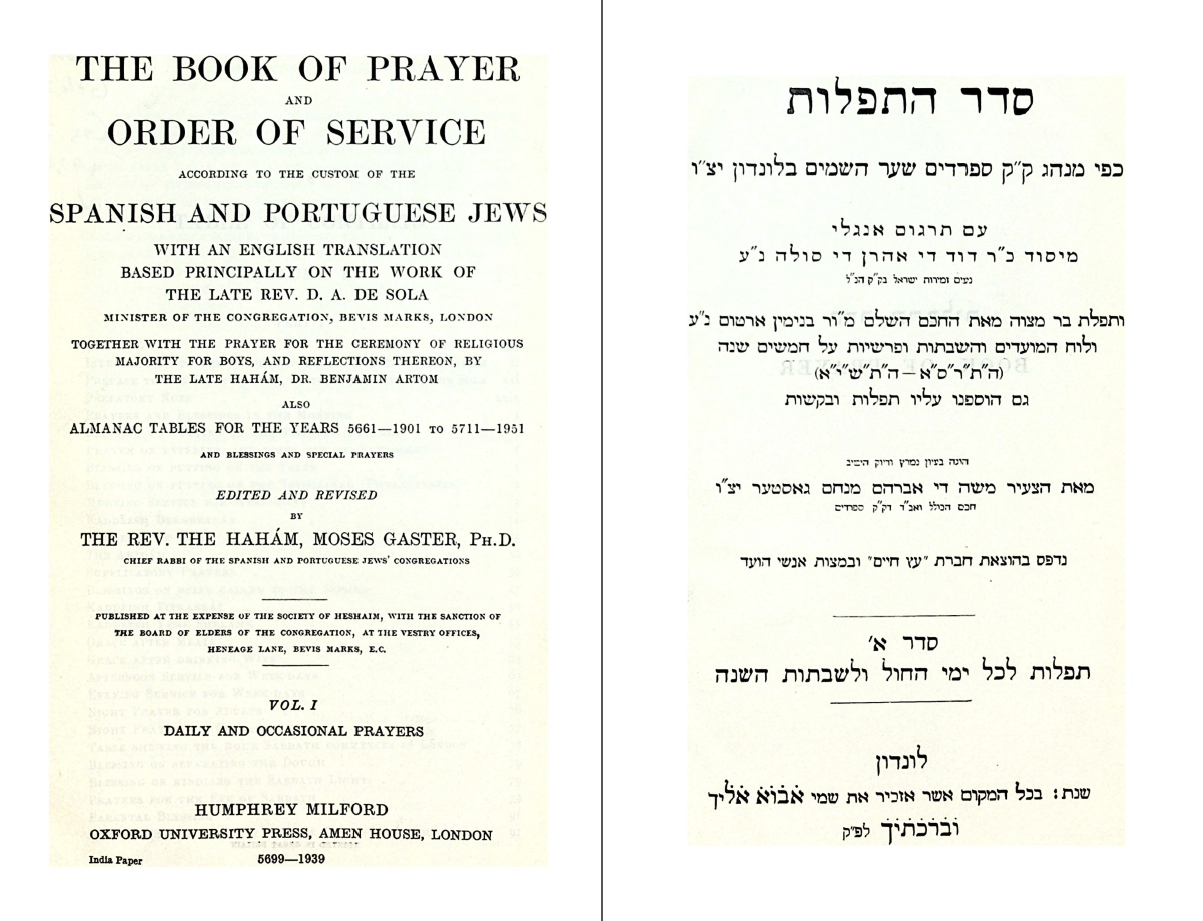
This prayer offered by Rabbi Dr. Moses Gaster, chief rabbi of the S&P Congregations of Britain on Yom Kippur, 30 September 1914 (10 Tishrei 5675), is found under the title, תפלה על מלחמה (Prayer for the time of War). The prayer was published in a short prayer-pamphlet entitled תפלה לעת מצוה (a prayer “For the Time When Thou Mayest Be Found” [Psalms 32׃6]). A copy of the prayer-pamphlet (from which this transcription was made) was graciously shared on the website of the Blavatnik Archive. (Thank you!)
Source(s)
Prayer for World War I – English (Moses Gaster 1914) Prayer for World War I – Hebrew (Moses Gaster 1914)

“תפלה על מלחמה | Prayer for the time of War, by Rabbi Dr. Moses Gaster (30 September 1914)” is shared through the Open Siddur Project under the Creative Commons Zero (CC 0) Universal license a Public Domain dedication.




Leave a Reply