![the Open Siddur Project [logo]](https://opensiddur.org/wp-content/uploads/2018/09/Open-Siddur-Project-Logo-2016.svg)
אֲמָרֵר בְּבֶֽכִי | Amarer b-Vekhi (“Lass bitterlich mich weinen ob des Unglücks”), a seliḥah by Menaḥem ben Makhir (German translation by B.L. Monasch)
A German translation of Amarer b-Vekhi, the second seliḥa in the Polin rite for the seventeenth of Tammuz. Published by B. L. Monasch, a prominent Jewish printer in Krotoschin (modern-day Krotoszyn, Greater Poland), in 1845. First transcribed from the Fraktur and orthographically modernized in 2025 for a European Academy for Jewish Liturgy retreat. Thank you to the great David Schapiro for his extensive help in the process!
| Source (Hebrew) | Translation (English) |
|---|---|
אֲמָרֵר בְּבֶֽכִי מִפְּנֵי יָד שְׁלוּחָה בְּעִי בְּנַאֲצִי בְּתוֹךְ בֵּיתוֹ בְּבִגְדִי וְקׇבְעִי גָּזוּבָרַח וְנָסַע עֶֽשֶׂר וְעָלָה לַשְּׁבִיעִי דִּמַּֽנִי הִצִּיקַֽנִי הִסִּיקַֽנִי בַּחֹֽדֶשׁ הָרְבִיעִי׃ |
Lass bitterlich mich weinen ob des Unglücks, das meine heilige Stadt getroffen! Erzürnt ob meinem Sündenwandel entschwebte die Gottheit von ihr, und zog nach ihrem unendlichen Wohnsitze sich zurück. — So ward in diesem vierten Monate (Tamuz) ich verstummt, überwunden, und vom Elende verzehrt. |
הֵבִיא מוֹעֵד בִּמְלֵאָתוֹ לִשְׁבּוֹר בַּחוּרֵי גִמּוּז וְרִבָּה בוֹ פַעֲמַֽיִם בְּמִסְמוּס וּמִזְמוּז זְבוּלוֹ כְּשָׁר שַׁאֲנַנּוֹת מְבַכּוֹת אֶת־הַתַּמּוּז חִיְּבַֽנִי אִיְּבַֽנִי אֲזַי בְּיֶֽרַח תַּמּוּז׃ |
Erfüllend seine Verheißung brachte die Zeit er herbei, der Allgerechte, meine Jugend zu vernichten, zweimal ließ sein Heiligtum er zerstören, und weil in diesem Monate die Frauen den Götzendienst besangen, so ließ er diesen Monat zu meiner Strafe weihen. |
טָמְנוּ פַחִים חֲמִשָּׁה בְּמִקְרָא תְּלָאוֹת מְשֻׁלָּחוֹת יָכְלוּ לִי בְּשִׁבְעָה עָשָׂר בּוֹ בַּאֲלִיחוֹת כִּינוֹקַֽשְׁתִּי כְּכַלָּה עֲלוּבָה בְּחֻפַּת שַׁלְוָה וְהַצְלָחוֹת לְרוֹעִי לֹא־הִמְתַּנְתִּי שֵׁשׁ וְנִשְׁתַּבְּרוּ הַלֻּחוֹת׃ |
Fünfmal ergriffen mich des Unheils Schlingen, die am siebenzehnten dieses Monats mich vollends ganz umstrickten. Weil gleichsam im Brautstande schon unter dem Brautzelte ich mich verging, und meinen Seelenhirten nicht erwartete, wurden die Tafel des Gesezes hingeschleudert und zerschmettert. |
מִיָּדוֹ עָדִֽיתִי חֳלִי וָכֶֽתֶם אֶצְעָדָה וְצָמִיד נִגָּרוֹת בְּיוֹם אַפּוֹ כְּשִׁחַתִּי דְרָכָי לְהַשְׁמִיד סֵֽדֶר עֲבוֹדָתוֹ וְקַֽיִץ מִזְבְּחוֹ קַֽצְתִּי לְהַעֲמִיד עַל־כֵּן מִלִּשְׁכַּת הַטְּלָאִים בֻּטַּל הַתָּמִיד׃ |
Mit Goldgehängen und reichem Geschmeide ward von seiner Hand ich geschmückt; aber am Tage, als ich meinen Gott erzürnte, wurden sie entrissen mir, und zur Strafe, dass ich seinen Opferdienst verhöhnte, ward auch das Tagesopfer vom Feinde mir vernichtet. |
פּוֹר הִתְפּוֹרְרָה וְנִתְפַּזְּרָה סוֹעֲרָה עֲנִיָּה צִיָּה נִמְשְׁלָה מִבְּלִי חוֹבֵל וְנִטְרְפָה כָּאֳנִיָּה קַחְתָּהּ בְּחַטָּאתָהּ בְּרֹאשָׁהּוּ בְכֶֽפֶל תַּאֲנִיָּה וַאֲנִיָּה רִיבֽוּהָ צָרֶֽיהָ כְּהַיּוֹם וְהׇבְקְעָה הָעִיר בַּשְּׁנִיָּה׃ |
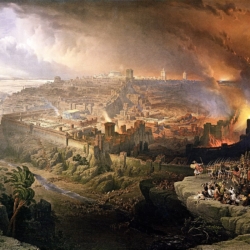
Die Nation ward, von Leiden überwältigt, stürmisch umhergetrieben, und wie ein ruderloses Schiff dem Sturme Preis gegeben; durch ihre Sündenmenge dann ergriffen, ward zweifache Strafe ihr zuteil, als an diesem Tage die Stadt zum zweiten Male erstürmt wurde. |
שֻׁלְּחָה כִּצְבִי מֻדָּח מֵאֵין דּוֹרֵשׁ לְהַסְתִּֽירָה שָׁנְנוּ לְשׁוֹנָם וּנְתָנֽוּהָ כְּשֶׂה צַמְרָהּ וְחֶלְבָּהּ לְהַתִּירָהּ תִּצְעַק עַל־כְּלִי חֶמְדָּה שֶׁבּוֹ נִכְתָּֽרָה תַּחֲמוּד עֵינֶֽיהָ נֻצַּל כְּשָׂרַף אַפּוֹסְטְמוֹס הַתּוֹרָה׃ |
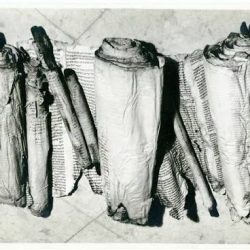
Vertrieben ward sie wie ein gejagtes Reh, das schublos umhergeirrt, und wie Fett und Wolle dem kraftlosen Schäfchen, so ward verhöhnend ihr Kraft und Schmuck geraubt, und ihre Augenlust, des Gesetzes Rolle, ward von dem Tyrannen Postumus den Flammen Preis gegeben; darob erhebt sie weinend ihre Stimme. |
חֵרֵף עֲשׁוּקִים וּרְצוּצִים בַּעֲבוּר הַרְעִימָם סָכָל יְרוּדִים בִּוְהָיָה לֶאֱכוֹל וּבְהַסְתֵּר פָּנִים מִלְּהִסְתַּכָּל יָד הִשְׁלִים מִכְּנַף שִׁקּוּצִים נֶאֱכָל עֵת צָרָה כְּהִתְכַּנֵּס וְהׇעֲמַד צֶֽלֶם בְּהֵיכָל׃ |
Ein Tor verhöhnte die Bedrückten und Zerschlagenen, um sie zu erzürnen: „Es der Vernichtung verfällt!“ und: „Er hat sein Angesicht verborgen“ vor dem Anschauen. Eine Hand ließ er vollenden vom Flügel, Gräuel wurden verzehrt, in der Notzeit, als das Standbild aufgestellt wurde im Heiligtum. |
דְּווּיִם סְגוּפִים בָּנִים הֶהָיוּ מִקֶּֽדֶם רִאשׁוֹנִים סְמוּכוֹת צָרוֹתֵֽיהֶם זוֹ לְזוֹ כַּמָּה שָׁנִים לוֹקִים כַּאֲשֶׁר תַּעֲשֶֽׂינָה הַדְּבוֹרִים וְהָעַקְרַבִּים שׁוֹנִים הוֹגִים אָבַד שִׂבְרָם וּבָטֵל סִכּוּיָם בְּאִישׁוֹנִים׃ |
Sie, die vormals so hoch gestanden, sie traf nun Qual und Pein, und in Jahrenreihe drängte ein Leid das andere. Mit Bienenstichen und Skorpionenbissen wurden sie verwundet, dachten sich hilflos schon, und jeden Hoffnungsstrahl verdunkelt. |
אֵל קַנָּא בְּהִתְאַפֵּק בְּמַקְנִיאֶיךָ דְּשֵׁנִים רְטוּבִים מְחַכִּים תָּקִים עוֹמְדִים לְעוֹלָמִים כִּנְטִיעִים מְחֻטָּבִים בַּאֲהָבִים הָאֱמֶת וְהַשָּׁלוֹם בְּצוֹמוֹת חֲטוּבִים נֶֽצַח הֱיוֹתָם לְשִׂמְחָה וּלְשָׂשׂוֹן וּלְמוֹעֲדִים טוֹבִים׃ |
Wenn nun du, Eifervoller! deinen Zorn zurück hieltest gegen jene Übermütigen wirst du gewiß, die auf dich vertrauen, immerdar erhalten, wie Zierpflanzen sie mit Liebe pflegen, und gewiß ihre Fasttage, die sie in Treue und Eintracht hielten, ihnen verwandeln in ewige Wonne, in Jubel und in Freudentag. |











Leave a Reply