![the Open Siddur Project [logo]](https://opensiddur.org/wp-content/uploads/2018/09/Open-Siddur-Project-Logo-2016.svg)
| Source (Hebrew) | Translation (French) | Translation (English) |
|---|---|---|
אֵל אֲשֶׁר חַסְדּוֹ לֹא מָנַע תּוֹךְ עַמּוֹ מִשְׁכָּנוֹ חָנָה נִקְדַּשׁ בְּפִי עֲדַת עַם נָע לַמֵּד פִּי פַלֵּל כְּחַנָּה |
Ô Éternel qui sa bonté ne retint, Qui, au sein de son peuple, daigna résider Pour être sanctifié par le verbe de ses assemblées, Forme mes lèvres à la prière comme Hanna. |
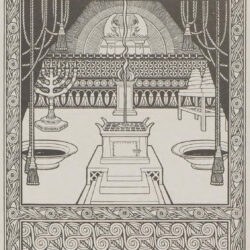
O Lord, who does not withhold His kindness,[1] Find Genesis 27:27 Who among His people does reside[2] Find Exodus 25:8, Exodus 29:45 To be sanctified by the mouths[3] The presence of an edah (congregation) is required for the recitation of “sacred words.” Find Berachot 21b, Megillah 23b of His multitudes:[4] Per Jeremiah 14:10, a people accustomed to traveling. Train my lips to pray like those of Ḥannah![5] An allusion to the statement of Rav Hamnuna in Berakhot 31a: “How many great halakhot can be learned from the verses of Ḥannah’s prayer!” |
{שכרות} רַחוּם נַחֵם נֶֽפֶשׁ מָרָה בְּלֶב־טוֹב לְעָבְדְּךָ נָּא כִּי לֹא מִיַּֽיִן שְׁכוּרָה נַפְשִׁי בוֹכִיָּה כְּחַנָּה | Ô Miséricordieux, console mon âme amère, Qu’il lui soit permis de Te servir dans l’allégresse, Car ce n’est point le vin qui étourdit Mon âme attristée comme celle de Hanna. | O Merciful One, console my bitter soul,[6] According to Ḥannah’s self-description in I Samuel 1:10 Allow it only to serve You[7] Prayer is called “work that is in the heart” in Tractate Ta’anit 2:1 with joy,[8] So that she may succeed in praying to You with joy, as stated in the Baraita: One does not stand to pray […] except with the joy of a mitsvah (Berakhot 31a). For it is not wine that stupefies[9] An allusion to the halakhah that a drunk person is forbidden to pray, which is learned (in Berakhot there) from Eli’s description of Ḥannah’s prayer in I Samuel. This expression is taken from the verse “and drunk, but not with wine” (Isaiah 51:21) and means to lose one’s mind as a result of distress. My soul, grieving like that of Ḥannah.[10] Ibid I Samuel 1:10 |
{ארבע אמות} בְּגַפִּי כִּי אֶתְיַצְּבָה אֲבַקֵּשׁ נָּא הַצְלִיחָה נָּא צָֽמְאָה נַפְשִׁי תָּאֲבָה חַלּוֹת פָּנֶֽיךָ כְּחַנָּה | Solitaire, je me tiens debout Et demande «donne-moi le succès»; Mon âme est fiévreuse d’ Implorer Ta face qu’interpella Hanna. | Alone[11] Alone by myself, an allusion to the words of the Gemara that it is forbidden to sit within four cubits of a person who is praying (Berakhot 31b). I stand[12] to pray, as Ḥannah said in relation to her prayer: “I am the woman who stands here before you praying” (I Samuel 1:26). And ask “May I succeed!”[13] According to Psalms 118:25 ; My soul thirsts with desire[14] According to Psalms 42:3 To encounter You,[15] In the style of baqashah and tefilah (in plea and prayer) as did Ḥannah.[16] From whose prayer the Gemara learned the halakhah mentioned above on praying alone (ibid Berakhot). |
{לחש} לֹא בְקוֹל־גָּדוֹל וּצְעָקָה אֶזְעַק הַטֵּה אָזְנְךָ נָּא כִּי אֶת נֶֽפֶשׁ נֶאֱנָקָה תִּשְׁמַע כְּרַֽחַשׁ־לֶב־חַנָּה | Puisse mon cri chuchoté Te faire tendre l’oreille Aux paroles d’une âme tourmentée, Et t’atteindre comme le vœu qu’a murmuré Hanna. | Not with shouts and loud cries[17] A reference to the biblical story of the confrontation between Eliyahu and the prophets of Baal in 1 Kings 18:26-29. Those who were not answered were those who called to their god with a loud voice. Shall I beg You to incline your ear,[18] The style of Daniel’s prayer in Daniel 9:18 Rather, it is a tormented soul You hear, Like the whispering heart of Ḥannah.[19] An allusion to the halakhah that one should not pray aloud, which is learned in Berachot 31a from the description of Ḥannah’s prayer in 1 Samuel 1:13. |
{חיתוך הדיבור} נִדְבוֹת פִּי שָׂפָה בְרוּרָה אֵלֶֽיךָ קָרֵב קְחָה נָּא כְּקוֹל לְוִיִּים בְּשִׁירָה וּכְנִֽיעַ שִׂפְתוֹתֵי חַנָּה | Embrasse et accepte L’offrande qu’articule ma langue, Comme un chant des Lévites Et le bruissement des lèvres de Hanna. | Embrace and accept my offering, The clear words of my tongue,[20] An allusion to the halakhah that the words of prayer must be pronounced correctly (“cut with the lips”), which is learned in Berachot 26b from the description of the verses about Hannah’s prayer. Like the voice of the Levites’ song[21] A reference to the context in which Ḥannah prayed at the Mishkan. The sacrificial service is the model according to which the three daily prayers were designed, according to Rabbi Joshua ben Levi (Berakhot 26b), as it is said: “And we will pay with our lips” (Hosea 14:3), finds only a hinted expression here, in words borrowed from the verse “Accept, O Lord, the offerings of my lips” (Psalms 119:108). Instead, the prayer is attributed here to the singing of the Levites. And the rustle of the lips of Ḥannah.[22] according to the description of the verse that is the source of this halakha: “Only her lips were moving” (I Samuel 1:13). |
{כוונה} פְּרוֹשׂ עָלֵֽינוּ מְהֵרָה סֻכַּת שְׁלוֹמִים מוּכָנָה אֲקַוֶּה וַֽאֲדַבְּרָה כְּדַבֵּר עַל לִבָּהּ חַנָּה | «Déploies sur nous promptement Un dais de paix!» Tel est le souhait que j’exprime, Comme priait jadis Hanna. | “Swiftly unfold over us A canopy of peace!”[23] From the prayer, “Hashkivenu”. This piyyut ends, like many other piyyutim, with hope and prayer. That is the wish that I admit, Like the heartful prayer of Ḥannah.[24] I will wait and speak with intention, as Ḥannah spoke from her heart, as described in the verse “And Ḥannah speaks from her heart” (I Samuel 1:13), from which the Gemara learns that one must pray with intention (Berakhot 26b). |
“El asher hasdo” (Hannah’s Prayer) was first published in 2023, as the first of a series of four piyyutim published through the Diwan Ashira Project by Ephraim Kahn. Each piyyut is focused around a different biblical heroine, and sung in relation to a Jewish festival: 1) Hannah’s Prayer (El asher hasdo) for Rosh Hashanah, 2) Song of Miriam, Song of Deborah (Uri Uri) for Shabbat Shirah, 3) Queen Esther’s Prayer (‘Et sha’are armon) for Purim, 4) Ruth and Naomi (Biti ‘arvot) for Shavuot.
The French translations were contributed by Diwan Ashira. The English translation by Rabbi Josh Weiner. The annotation in English were translated by Aharon Varady from the Hebrew
Sung by Ariel Danan
https://drive.google.com/file/d/1n2X5x12ZBdyW464e5vSE_Junj_CYoVnD/view?usp=drivesdk
Notes
| 1 | Find Genesis 27:27 |
|---|---|
| 2 | Find Exodus 25:8, Exodus 29:45 |
| 3 | The presence of an edah (congregation) is required for the recitation of “sacred words.” Find Berachot 21b, Megillah 23b |
| 4 | Per Jeremiah 14:10, a people accustomed to traveling. |
| 5 | An allusion to the statement of Rav Hamnuna in Berakhot 31a: “How many great halakhot can be learned from the verses of Ḥannah’s prayer!” |
| 6 | According to Ḥannah’s self-description in I Samuel 1:10 |
| 7 | Prayer is called “work that is in the heart” in Tractate Ta’anit 2:1 |
| 8 | So that she may succeed in praying to You with joy, as stated in the Baraita: One does not stand to pray […] except with the joy of a mitsvah (Berakhot 31a). |
| 9 | An allusion to the halakhah that a drunk person is forbidden to pray, which is learned (in Berakhot there) from Eli’s description of Ḥannah’s prayer in I Samuel. This expression is taken from the verse “and drunk, but not with wine” (Isaiah 51:21) and means to lose one’s mind as a result of distress. |
| 10 | Ibid I Samuel 1:10 |
| 11 | Alone by myself, an allusion to the words of the Gemara that it is forbidden to sit within four cubits of a person who is praying (Berakhot 31b). |
| 12 | to pray, as Ḥannah said in relation to her prayer: “I am the woman who stands here before you praying” (I Samuel 1:26). |
| 13 | According to Psalms 118:25 |
| 14 | According to Psalms 42:3 |
| 15 | In the style of baqashah and tefilah (in plea and prayer) |
| 16 | From whose prayer the Gemara learned the halakhah mentioned above on praying alone (ibid Berakhot). |
| 17 | A reference to the biblical story of the confrontation between Eliyahu and the prophets of Baal in 1 Kings 18:26-29. Those who were not answered were those who called to their god with a loud voice. |
| 18 | The style of Daniel’s prayer in Daniel 9:18 |
| 19 | An allusion to the halakhah that one should not pray aloud, which is learned in Berachot 31a from the description of Ḥannah’s prayer in 1 Samuel 1:13. |
| 20 | An allusion to the halakhah that the words of prayer must be pronounced correctly (“cut with the lips”), which is learned in Berachot 26b from the description of the verses about Hannah’s prayer. |
| 21 | A reference to the context in which Ḥannah prayed at the Mishkan. The sacrificial service is the model according to which the three daily prayers were designed, according to Rabbi Joshua ben Levi (Berakhot 26b), as it is said: “And we will pay with our lips” (Hosea 14:3), finds only a hinted expression here, in words borrowed from the verse “Accept, O Lord, the offerings of my lips” (Psalms 119:108). Instead, the prayer is attributed here to the singing of the Levites. |
| 22 | according to the description of the verse that is the source of this halakha: “Only her lips were moving” (I Samuel 1:13). |
| 23 | From the prayer, “Hashkivenu”. This piyyut ends, like many other piyyutim, with hope and prayer. |
| 24 | I will wait and speak with intention, as Ḥannah spoke from her heart, as described in the verse “And Ḥannah speaks from her heart” (I Samuel 1:13), from which the Gemara learns that one must pray with intention (Berakhot 26b). |
“אֵל אֲשֶׁר חַסְדּוֹ – פיוט על תפילת חנה | El Asher Ḥasdo — Prayer of Ḥannah, a piyyuṭ for Rosh Hashanah by the Diwan Ashira Project” is shared through the Open Siddur Project under the Creative Commons Attribution-ShareAlike (CC BY-SA) 4.0 International copyleft license.








Leave a Reply