![the Open Siddur Project [logo]](https://opensiddur.org/wp-content/uploads/2018/09/Open-Siddur-Project-Logo-2016.svg)
An original Aramaic-language “meturgeman piyyuṭ” for Simḥat Torah. I’m working on creating a seder meturgeman liturgy, akin to those for day 7 of Pesaḥ and for Shavuot, to be recited on Simḥat Torah. Mostly incorporating older Aramaic poems, I’ve also decided to write some originals myself. This piyyuṭ, written in the structure of the famous Aqdamut Milin reshut still recited on Shavuot, is meant to be inserted before the translation of the first verse of the first aliyah on Simḥat Torah. It discusses the halakhic status and history of Shmini Atseret, as well as the final blessing and death of Moses.
| Source (Hebrew) | Translation (English) |
|---|---|
אַף־עַל־גַב דַּאֲנָא זְעֵיר בְּחׇכְמְתָּא אֲקוּם כְּעַן לְשַׁכְלָלָא וּלְאַתְחוֹלֵי תַּרְגּוּמָא דְּאוֹרָיְתָּא |
Although I am small in wisdom, I will stand here to finish and begin the translation of the Torah. |
בְּיוֹמָא תְּמִינָאָה דְּאִתְקְרֵי עֲצַרְתָּא בְּעֶסְרִין וּתְרֵין לְיַרְחָא דְתִשְׁרֵי עֶסְרִין וּתְלָת בְּגָלוּתָּא גּוּנְדֵי עַם חַבִּיב נְפַקוּ מִן־מְטַלְּתָּא גְּנוּנָא דַּחֲתָנָא דְחָדֵי עִם־כַּלְּתָּא דִּבְחַגָּא רַבָּא מִן־כָּל מְאַרְעֵי בְּחֶדְוָתָּא דְּאִתְקְרֵי עַל־שׁוּם דִמְטַלַּיָּא דְּתוֹתַבְתָּא הָאִידָּנָא זִימְנָא לְגַרְמֵיהּ לְבְקִיאֵי דַּתָּא |
On the eighth day that is called “Gathering,” The twenty-second of the month of Tishri, twenty-third in diaspora, The troops of the beloved people went out from the sukkah, The wedding-chamber of the groom who rejoices with the bride, Within the festival greatest of all occasions in joy, As referred to by the name of the sukkot of temporary dwelling. Now is its own time, according to the experts of law. |
הוּא מִיפָּרַשׁ מִן־בַּתְרֵיהּ לְעִנְיָנִין שִׁתָּא וְסִימָנָךְ פָּזֵ״ר קֶֽשֶׁ״ב כִּגְּמִירִינַן בְּבָרַיְתָּא וְהָא בְּגוֹ פִירְקָא רְבִיעָאָה דְּמַסֶּכְתָּא זְרִיזֵי כְּהוּנְּתָא רְהַטוּ לִפְיָסָא חַדְתָּא זִימְנָא מְבָרְכִינַן וְשֶׁהֶחֱיָנוּ הִיא בִּרְכְתָּא חַגָּא לְגַרְמֵיהּ הוּא וְלָא צְרִיכָא לְמֵיתַב בִּמְטַלְּתָּא |
It it distinguished after it for six matters.[1] Shmini Atseret is distinguished from Sukkot in six ways. And your mnemonic is PaZe”R KeShe”V, as we were taught in a baraita, which is in the fourth chapter of the tractate:[2] Sukkah 48a The swiftest of the priesthood ran to a new lottery. We bless the time and Sheheḥeyanu is the blessing. It is its own festival, and it is unnecessary to reside in sukkot. |
חַד תּוֹרָא לְמִיקָרְבֵּיהּ קוּרְבַּן עֲלָתָּא טְעִינֵי מָאנֵי קוּדְשָׁא חַלְפוּן שִׁירָתָּא טוּפְסָא דְּיַעֲלֵה וְיָבוֹא אִיחַלַּף בִּצְלוֹתָּא יוֹמָא דֵּין נֵימָא אָתֵיב רוּחָא וּמָחֵית מִיטְרָא בִּגְבוּרְתָּא יִתּוֹסַף בְּמוּסָפָא דְאַָתֵי בְּאַרְעָא וּכְבַר אִתּוֹסַף בְּאוּמָּתָּא כִּי יֵיתוּן חַמְשִׁין יוֹמִין בֵּין פִּסְחָא לַעֲצַרְתָּא בְּתַרְתָּא |
One bull is to be offered as a wholly burnt offering. The bearers of the sacred vessels changed the song. The form of “Ya’aleh v-Yavo” is changed in prayer. This day we say “Returning wind and bringing down rain” in the blessing of Strength, Added in an additional service to come in the land, and already added in the nations. But fifty days come between Pesaḥ and the prior gathering![3] Shavuot, also called “Gathering” in rabbinic texts. |
כִּדְלָא מְשַׁהֵינַן עַד יַרְחָא תְּשִׁיעַיְתָּא לְפוּם דְּמִטְרָא בְּסִתְוָא הוּא עִיקָּר טַרְחוּתָּא לָכֵן אֲמַר קוּדְשָׁא בְּרִיךְ הוּא שְׁהוּ גַבַּי הַשְׁתָּא מַתְלָא אַמְתֵּיל לְמָאי דָמֵי מִלְּתָּא מַלְכָּא דְּבִיסְרָא וְאַדְמָא דִּמְזַמָּן סְעוֹדְתָּא נְזַמֵּן לְאוּשְׁפִּיזִין מִן־שַׁבְעִין מְדִינָתָּא נֵיכוֹל וְנִשְׁתֵּי וּנְחַדֵּי כׇּל־שְׁבַעְתָּא סִיוּמָא דְּיוֹמִין אֲמַר לְחַד בַּר הֵימָנוּתָּא סַגִּיאִין שְׁבַקוּ אַנְתְּ שְׁהִי כַּאן בִּרְשׁוּתָּא |
Why do we not wait until the ninth month? On account of the winter rain, which is the ultimate trouble[4] Shir haShirim Rabbah 2:11:1 Thus the Blessed Holy One said, “Wait with Me here.” An allegory I will allege: what is this matter like? A king of flesh and blood who was hosting a feast. “Let us invite guests from seventy nations, Let us eat and drink and rejoice all week!” At the end of the days he said to one faithful one, “The crowds have left. You, stay here in my domain!”[5] Sukkah 55b |
עָלָוָן שַׁבְעִין קָרִיבוּ לְשַׁבְעִין אוּמָּתָּא עַל־כֵּן בִּלְחוֹדֵהוֹן תּוֹר חַד דְּכַר חַד לַעֲלָתָּא פַּלְטֵרִין חֲנֵיךְ שְׁלֹמֹה מַלְכָּא בְּחֲנֻכַּת בֵּיתָּא פַּיֵּיס וְצַלֵּי בְּיוֹמָא דֵּין וּנְכֵס סַגִּי נִכְסָתָּא צְלוֹתֵיהּ בְּדִיל עַמֵּיהּ עִמֵּיהּ מִנַחֲלָא דְמִצְרַיִם לְמַעֲלָנָא דַחֲמָתָּא צָוַח וַאֲמַר וִיהֵי לִבְּכוֹן שְׁלִים וּלְמִטַּר פִּקּוּדוֹהִי בִּדְחַלְתָּא קָרִיבוּ תַּרְתֵּין רִבּוֹא וּתְרֵין אַלְפִין תּוֹרֵי וַעֲנָא רִבּוֹא עַסְרֵי וְתַרְתָּא קֳדָם קוּדְשָׁא בְּרִיךְ הוּא שְׁמִיעַ כׇּל־צְלוֹתָּא רְשׁוּתָא לְמִכְפַל לְאַרְבֵּיסַר יוֹמֵי קַבֵּל קֹהֶֽלֶת בְּבִינְתָּא |
Seventy offerings they offered for seventy nations, So only one ox and one ram are for burnt-offerings. King Solomon dedicated a palace in the dedication of the House. He pleaded and prayed on this day and slaughtered many sacrifices. His prayer was on behalf of his people with him from the wadi of Egypt to the ascent of Ḥamat,[6] I Kings 8:65 And he cried out and said “May you wholeheartedly keep Their commandments in awe!” (I Kings 8:61) They slaughtered 22,000 cattle and 120,000 sheep[7] I Kings 8:64 Before the Blessed Holy One, Hearer of all prayer. Permission to double it to fourteen days Ḳohelet[8] Solomon acquired with understanding.[9] I Kings 8:65 |
רַבָּא דְּכָהֲנֵי וְסָפְרֵי נְטַר יוֹמָא דֵּין עִם־תִּרְשָׁתָּא שְׁמָעוּ עַמָּא מֵימַר קַדִּישָׁא דִּכְתִיב בְּאוֹרָיְתָּא שָׁקֵיהוֹן מְחוֹ וַהֲדָרוּ בְּתִיוּבְתָּא | |
תַּקִּינוּ רַבָּנַן לְמִקְרֵי כׇּל־אוֹרָיְתָא חֲדָא בְּשַׁתָּא תְּשַׁכְלְלוּנַּהּ כְּעַן אֲמַרוּ וּמֵאַלְתַּר תַּתְחֲלוּן אוֹרָיְתָּא יוֹמִין דְּחִילִין כֻּלְּהוֹן תַּעַבְרוּן מֵרֵישָׁא דְּשַׁתָּא צוֹמָא רַבָּא עַסְרָא יוֹמִין בַּתְרוֹהִי יוֹמֵי דְּתִיוּבְתָּא חַגָּא דִמְטַלַּיָּא חַמְשָׁא יוֹמִין בַּתָר כַּפָּרָא דְּחַטָּאתָּא קַדִּישִׁין מֵאַרְעִין אִלֵּין וּמְמַלְּלִינָן פִּתְגָּמֵי תּוּשְׁבַּחְתָּא |
Our rabbis established to read all the Torah once a year. “Finish it now,” they said, “and immediately start the Torah.” Days of awe have all passed, from the new year;[14] Rosh haShanah The great fast[15] Yom Kippur ten days after it, days of repentance, The festival of sukkot five days after the atonement of sin. These occasions are holy, and on them we say words of praise. |
הֵיכְדֵין אַף עַל־מֹשֶׁה רַבָּנָא קָם מַלְאֲכָא דְמוֹתָּא רְשׁוּתֵיהּ הִיא עַל־כׇּל־אִינְשֵׁי מִיּוֹם אִיתְרִיכוּ מִגִּינְתָּא אֲמַר מֹשֶׁה בְּבָעוּ אֵעִבַר וְאֶחֱזֵי יָת־אַרְעָא טַבְתָּא לָא־קַבִּיל מִנֵּיהּ רִבּוֹן עָלְמִין וַאֲמַר סַק לְרֵישׁ רָמָתָּא הוּא מִילֵּל בְּמֵישְׁרָא דְּמוֹאָב בָּתַר אַרְבְּעִין שַׁתָּא כׇּל־פַּתְשֶֽׁגֶן אוֹרָֽיְתָא הָדָא בְּיוֹם מַפְּקָנוּת נִשְׁמְתָּא הוּא יוֹם בֵּית וַלְדָּא דִּדֵּיהּ לְפוּם חוּלָקָא דְּצִדְקוּתָּא נְפַקָא לֵיהּ נִשְׁמְתֵיהּ בִּשְׁבִיעָאָה דְּיַרְחָא לְמַסְגֵּי בְּחֶדְוְתָּא בְּיוֹמָא הוּא קַבֵּל רַבָּנָא חוּלָקֵיהּ בִּשְׁרִירוּתָּא נְבוֹ מַתְקַן לְקִבְלֵיהּ אַיָּדֵי מַלְאָכַיָּא דְּמַשְׁרִיתָּא |
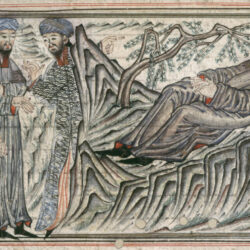
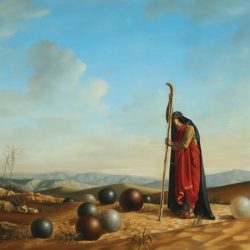
Hence even upon Moshe our teacher rose the angel of death, Whose domain is over all people since the day they were expelled from the garden. Moshe said, “Please, let me pass, that I may see the good land!” The Master of Eternities did not accept him, and said, “Go up to the mountaintop.” He spoke in the plain of Moab after forty years, All this copy of the Torah[16] Deuteronomy, which is largely the final speech of Moses. Find Deuteronomy 17:18. on the day his soul left. It was his birthday, as is the portion of the righteous.[17] Kiddushin 38a His soul left him on the seventh of the month of increasing in happiness.[18] Adar On that day our master received his portion in truth Nebo was prepared to accept him by the hands of ministering angels.[19] Targum Pseudo-Jonathan on Deuteronomy 34:6 |
אֲמַר נְבִיָּא דִּנְבִיִּין בְּיוֹם דְּיִקְבַּל מוֹתָּא בִּרְכָן לְכׇל־שִׁבְטַיָּא לְכׇל־בַּר שְׁלִים יְהַב חֲדָא בִּרְכְתָּא רְאוּבֵן דְּלָא יְמוּת וִיקַבְּלוּן בְּנוֹהִי אַחְסַנְתָּא הוֹדָא לִיהוּדָה לְמֶעֱבַד לְסָנְאוֹהִי פּוּרְעָנוּתָּא מְהֵימָן אִשְׁתְּכַח לֵוִי דְּנַסִּיתָהִי עַל מֵי מַצּוּתָּא מַגֵּין עַל בִּנְיָמִין וּבְאַרְעֵיהּ תִּשְׁרֵי שְׁכִינְתָּא אֲמָר לְיוֹסֵף דִּמְנַשֶּׁה אַלְפַיָּא וּדְאֶפְרַיִם רִבְּוָתָּא יִקְרַיָּא דִּזְבוּלוּן וּדְיִשָּׂשכָר לָייְפֵי בְּטוּרָא דְבֵיתָּא רֵישׁ עַמָּא עָאל גָד וְאִתְקַבַּל דִּילֵיהּ בְּקַדְמֵיתָּא וּלְדָן אֲמַר תַּקִּיף דָּן כְּגוּר אַרְיָוָתָּא יָם גִּנֵּיסַר מַעֲרָבוֹהִי וְדָרוֹמוֹהִי לְנַפְתָּלִי יְרוּתָּא עַל־כׇּל־בְּנַיָּא בְּרִיךְ אָשֵׁר תׇּקְפָּא כְּעוּלֵימָתָּא |
The prophet of prophets said on the day he received death Blessings for all the tribes, for each son of the whole[20] Jacob he gave one blessing:[21] All of the following twelve lines, up to “the dew of good,” are based on Onkelos’ translation of the blessings in Deuteronomy 33. Reuben should not die, and his sons should receive an inheritance. Splendor to Judah, to do retribution on those who hate him. Levi was found faithful, as he was tested at the waters of strife. A shield on Benjamin, in whose land the Presence dwells. He said to Joseph that Manasseh had thousands, Ephraim myriads. Honors of Zebulun, with Issachar joined, on the mountain of the House. First of the people Gad entered, receiving what was his first. To Dan he said: Dan is mighty as a lion’s whelp. The Galilee’s west and south are Naphtali’s portion. Over all sons blessed is Asher, strong as youth. |
לֵית אֱלָהּ כֶּאֱלָהָנָא בִּשְׁמַיָּא לֵיהּ שְׁכִינְתָּא חֲמָר וְעִבוּר אַרְעָא עָבְדָא בְּטַלָּא דְּטַבְתָּא זְגֵי מֹשֶׁה בָּתַר דְּנָא וַאֲתָא שָׂרָא דְּמוֹתָּא קַבֵּיל נַפְשֵׁיהּ בִּצְרָרָא דְּחַיֵּי בְּפַרְדֵּיס גִּנְתָּא |
There is no god but our God, whose Presence is in heaven. Wine and grain the land makes with the dew of good. Moshe lay down after this and the prince of death came. He received his soul in the bond of life in the paradise garden. |
וְכֵן בִּרְשׁוּת חַכִּימֵי עַם בְּיוֹם חֶדְוָתָא דְּאוֹרָיְתָּא אֲתַרְגֵּם בְּיוֹמָא דֵּין תְּרֵי סִדְרֵי דַּחֲתִימוּתָּא מִבַּתְרָאָה עַד־רֵישָׁא וּמֵאִיבְלָא עַד־קַדְמִיתָּא נְבִיָּא רַבָּא אַיְקַר בְּתַרְגוּם וְדָא בִרְכְּתָּא |
And thus, with permission of the sages of the people, on the day of the rejoicing of the Torah, I will translate today two orders of sealing, From the last to the first, and from mourning to beginning. The great prophet I will honor with the translation of “And this is the blessing…” |
Recordings
Notes
| 1 | Shmini Atseret is distinguished from Sukkot in six ways. |
|---|---|
| 2 | Sukkah 48a |
| 3 | Shavuot, also called “Gathering” in rabbinic texts. |
| 4 | Shir haShirim Rabbah 2:11:1 |
| 5 | Sukkah 55b |
| 6 | I Kings 8:65 |
| 7 | I Kings 8:64 |
| 8 | Solomon |
| 9 | I Kings 8:65 |
| 10 | Ezra |
| 11 | Nehemiah |
| 12 | Nehemiah 8:18 |
| 13 | An expression of self-reproach. Find Jeremiah 31:19 |
| 14 | Rosh haShanah |
| 15 | Yom Kippur |
| 16 | Deuteronomy, which is largely the final speech of Moses. Find Deuteronomy 17:18. |
| 17 | Kiddushin 38a |
| 18 | Adar |
| 19 | Targum Pseudo-Jonathan on Deuteronomy 34:6 |
| 20 | Jacob |
| 21 | All of the following twelve lines, up to “the dew of good,” are based on Onkelos’ translation of the blessings in Deuteronomy 33. |
“אַף־עַל־גַב דַּאֲנָא | Af Al Gav Da-ana — an original Aramaic “Meturgeman piyyuṭ” for Simḥat Torah by Isaac Gantwerk Mayer” is shared through the Open Siddur Project under the Creative Commons Attribution-ShareAlike (CC BY-SA) 4.0 International copyleft license.







Leave a Reply