![the Open Siddur Project [logo]](https://opensiddur.org/wp-content/uploads/2018/09/Open-Siddur-Project-Logo-2016.svg)
| Source (Hebrew) | Translation (English) |
|---|---|
1. יִגְדַּל אֱלֹהִים חַי וְיִשְׁתַּבַּח. נִמְצָא וְאֵין עֵת אֶל מְצִיאוּתוֹ׃ |
1. Let the living God be magnified and be praised; he exists, and there is no period to his existence. |
2. אֶחָד וְאֵין יָחִיד כְּיִחוּדוֹ. נֶעְלָם וְגַם אֵין סוֹף לְאַחְדּוּתוֹ׃ |
2. He is unity, and there is no unity like unto his unity; he is concealed, yea, also there is no end to his unity. |
3. אֵין לוֹ דְמוּת הַגּוּף וְאֵינוֹ גּוּף. לֹא נַעֲרֹךְ אֵלָיו קְדֻשָּׁתוֹ׃ |
3. He hath no bodily likeness, nor is he corporeal; his holiness is incomputable. |
4. קַדְמוֹן לְכׇל־דָּבָר אֲשֶׁר נִבְרָא. רִאשׁוֹן וְאֵין רֵאשִׁית לְרֵאשִׁיתוֹ׃ |
4. He was the antecedent to everything which was created, he is the first, and there is no beginning to his beginning. |
5. הִנּוֹ אֲדוֹן עוֹלָם לְכׇל־נוֹצָר יוֹרֶה גְּדֻלָּתוֹ וּמַלְכוּתוֹ׃ |
5. Behold, he is the Lord of the Universe, to all that is formed; shewing his magnificence and his kingdom. |
6. שֶֽׁפַע נְבוּאָתוֹ נְתָנוֹ. אֶל אַנְשֵׁי סְגֻלָּתוֹ וְתִפְאַרְתּוֹ׃ |
6. The inspiration of his prophecy he gave unto his peculiar and glorified people. |
7. לֹא קָם בְּיִשְׂרָאֵל כְּמֹשֶׁה עוֹד. נָבִיא. וּמַבִּיט אֶת־תְּמוּנָתוֹ׃ |
7. Yet never hath there arisen in Israel a prophet like unto Moses, who beheld the similitude of his glory. |
8. תּוֹרַת אֱמֶת נָתַן לְעַמּוֹ אֵל עַל־יַד נְבִיאוֹ נֶאֱמַן בֵּיתוֹ׃ |
8. A law of truth hath the Almighty given to his people, by the hand of our prophet, the faithful of his house. |
9. לֹא יַחֲלִיף הָאֵל וְלֹא יָמִיר דָּתוֹ. לְעוֹלָמִים לְזוּלָתוֹ׃ |
9. The Almighty will never change nor alter his law, for evermore there is none but his. |
10. צוֹפֶה וְיוֹדֵעַ סְתָרֵֽינוּ. מַבִּיט לְסוֹף דָּבָר בְּקַדְמָתוֹ׃ |
10. He observeth and knoweth all our secrets, he beholdeth the end of everything before it is begun. |
11. גּוֹמֵל לְאִישׁ חֶֽסֶד כְּמִפְעָלוֹ. נוֹתֵן לְרָשָׁע רָע כְּרִשְׁעָתוֹ׃ |
11. He rewardeth every saint according to his work, he yieldeth to the wicked evil according to his wickedness. |
12. יִשְׁלַח לְקֵץ יָמִים מְשִׁיחֵֽנוּ. לִפְדּוֹת מְחַכֵּי קֵץ יְשׁוּעָתוֹ׃ |
12. He will send at the end of days our anointed, to redeem those who hope at that end for his salvation. |
13. מֵתִים יְחַיֶּה אֵל בְּרֹב חַסְדּוֹ. בָּרוּךְ עֲדֵי־עַד שֵׁם תְּהִלָּתוֹ׃ |
13. The Almighty will quicken the dead, with the multitude of his mercy. Blessed be his name and his praise, for ever and ever. |
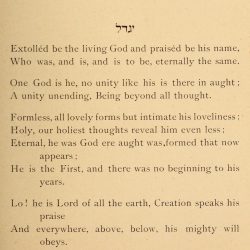
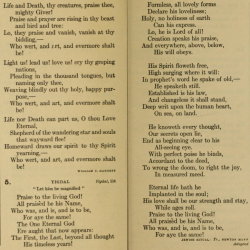
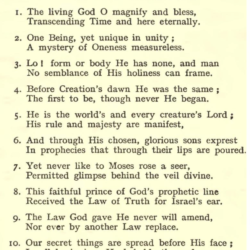
This is the philosophical-creed-as-piyyut, Yigdal, by Daniel ben Judah Dayyan. Yigdal means “Magnify [O Living God]” and is based on the 13 Articles of Faith formulated by Maimonides (1135-1204). Daniel ben Judah spent eight years improving his piyyut, completing Yigdal in 1404. This was not the only metrical presentment of the 13 Articles of Faith; but it has outlived all others, whether in Hebrew or in the vernacular. The English translation appearing here is as found on pp. 2-3 of Tsvi Filipowski’s siddur Tefilot Yisrael (1862).
Source(s)


“יִגְדַּל (אשכנז) | Yigdal, by Daniel ben Yehudah Dayyan (translation by Tsvi Hirsch Filipowski, 1862)” is shared through the Open Siddur Project under the Creative Commons Zero (CC 0) Universal license a Public Domain dedication.








Leave a Reply