![the Open Siddur Project [logo]](https://opensiddur.org/wp-content/uploads/2018/09/Open-Siddur-Project-Logo-2016.svg)
| Contribute a translation | Source (English) |
|---|---|
And Jacob awaked out his sleep, and he said: Surely the Lord is in this place; and I knew it not. And he was afraid, and said: How full of awe is this place; this is none other than the house of God, and this is the gate of heaven. (Genesis 28:16-17) | |
And unto man He said: “Behold, the fear of the Lord, that is wisdom; and to depart from evil is understanding.” (Job 28:28) | |
But the Lord is in His holy temple; let all the earth keep silence before Him. (Habakkuk 2:20) | |
He who has the Torah without the fear of God is like a treasurer who has the key to the inner treasure but not to the outer; how then can he reach the inner? (Shabbat 31b) | |
In order to learn reverence, man must try to think of himself as standing in the veritable presence of the Creator, blessed be His name, and as actually speaking unto Him— and pleading with Him in prayer; and that God hearkeneth unto his words as a man hearkeneth to his neighbor when he speaketh unto him. | |
Then let him meditate upon God’s greatness, and think of Him high and exalted beyond the power of human praise, beyond the highest perfection that the mind of man can picture. When all these thoughts enter the soul of man, he is overcome by awe and trembling and he serves the Lord with reverence. (Mesilat Yesharim 79) | |
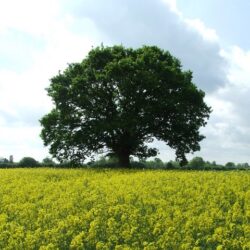
To the reverent mind there is something profound and mysterious in everything that confronts our gaze. We look out upon the world of nature, and cannot but suspect a deep secret buried within its bosom. We behold man in the midst of his activities, and cannot but be impressed with the nobility of his soul, the sacredness of his life. We watch the elemental forces as they operate in nature and man, and cannot but stand in awe of their greatness and mystery. In fact, nature yields to us its deepest secrets, man discloses the supreme dignity of his life, only when we feel a deep reverence toward them. | |
And when we are thus actuated by the spirit of reverence, we are seldom content with idle contemplation. We seek to express it in forms of active service. We know that our reverence of God is true, when we yearn to serve Him, to learn His will and do it. We know that our reverence of nature is true, when we seek to understand her ways, to study her laws and obey them. And how can we prove true our reverence toward the mystery and greatness of the human soul, unless we strive to exalt and serve man, to recognize in every human relationship the sanctity of Man’s nature? | |
As humble servants of Thy benign will, O God, we ask Thee to put into our hearts the fear and love of Thee, and to fill our souls with sincere reverence toward our fellowmen and all the sublime works of Thy creation. Quicken our conscience, we pray Thee, that we may desire more of the beauty of Thy holiness; that we may seek Thy will above all ambitions. Grant us the vision to see that it is Thy throbbing life that flows in every vein and spreads abroad in leaf and flower; that it is Thine own supernal glory that we behold in the beauty of earth and sky. Deepen our sense of unity, and increase eur joy of brotherhood, that we may learn to serve Thee by dispensing of our love and care to all Thy children. | |
Hear our prayer, Lord, who art our strength and redeemer. Amen. |
“Reverence” is the thirty-ninth prayer found in ברכה ותהלה Blessing and Praise: A Book of Meditations and Prayers for Individual and Home Devotion (CCAR 1923), pp. 130-132. Unfortunately, we do not yet know of a resource providing clear attribution of authorship for any of the prayers in this volume.
Source(s)


“Reverence (CCAR 1923)” is shared through the Open Siddur Project under the Creative Commons Zero (CC 0) Universal license a Public Domain dedication.













Leave a Reply