![the Open Siddur Project [logo]](https://opensiddur.org/wp-content/uploads/2018/09/Open-Siddur-Project-Logo-2016.svg)
| Source (Hebrew) | Translation (English) |
|---|---|
בְּשֵׁם יְיָ אֱלֹהֵי יִשְׂרָאֵל מִימִינִי מִיכָאֵל וּמִשְּׂמֹֽאלִי גַּבְרִיאֵל וּמִלְּפָנַי אֽוּרִיאֵל וּמֵאָחוֹרַי רְפָאֵל וְעַל רֹאשִׁי שְׁכִֽינַת אֵל׃ |
In the name of YHVH Elohei Yisrael – May Mikhael be at my right, and Gavriel at my left, before me, Uriel, and behind me, Refael, and above my head, the Shekhinah of El. |
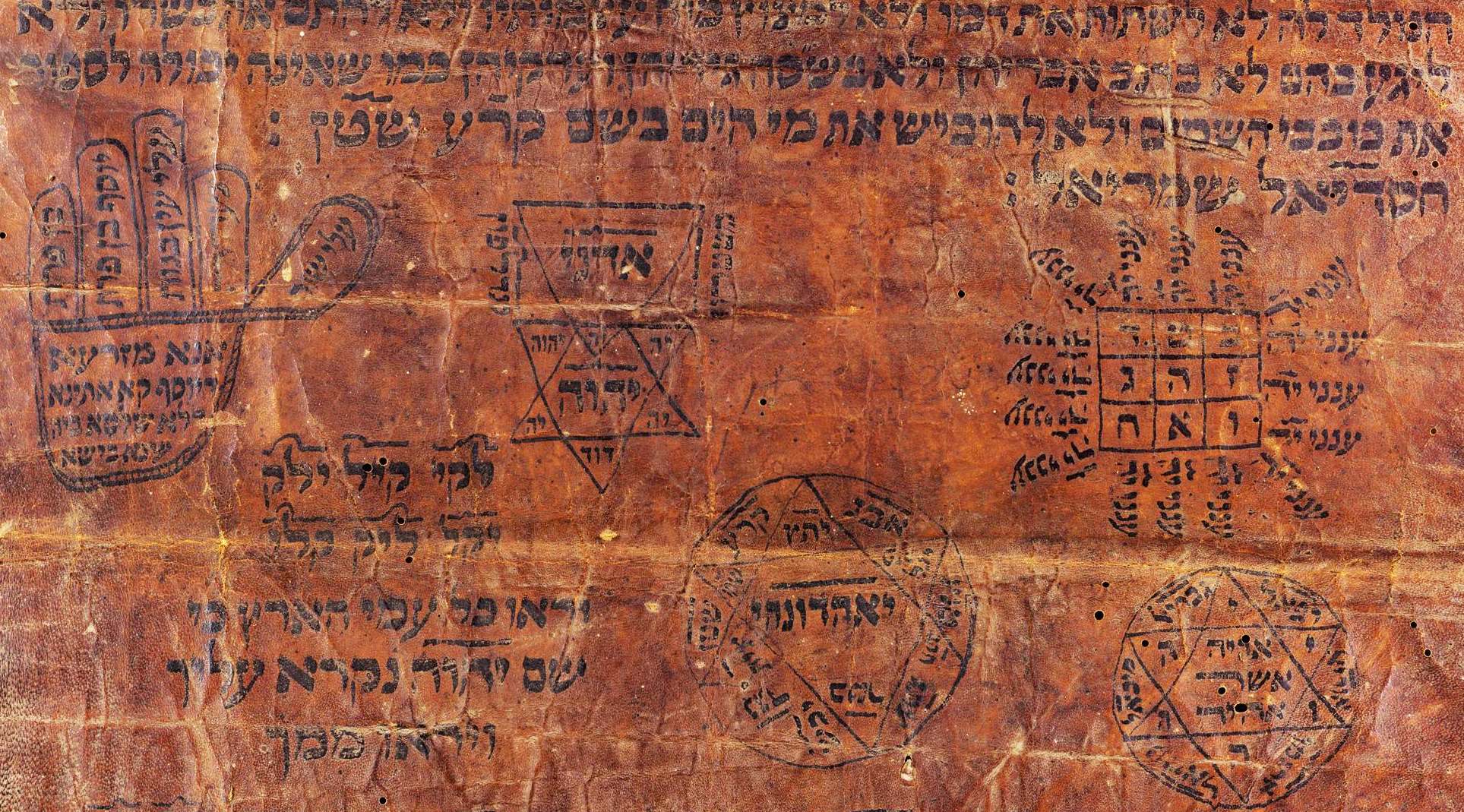
That almost every organism on Earth must sleep and is thereby vulnerable to danger from predators in their resting state is a reality known deep inside us. In this prayer, whose lineage dates back through our oldest siddurim (Seder Rav Amram Gaon and Maḥzor Vitry) and into the age of amulet bowls and still further, numinous forces are invoked to protect us on our journey through sleep and back into wakefulness. The image is one of a traveler, their path illuminated, their safety secured by powerful guardians, and their progress blessed by divine grace. (For some further thoughts on the angelic entourage and its relationship to the divine chariot, go here.) –Aharon Varady
Source(s)


“מִימִינִי מִיכָאֵל | “Mikhael is on my right,” the angelic invocation for divine protection from the Ḳriyat Shema al haMitah” is shared through the Open Siddur Project under the Creative Commons Attribution-ShareAlike (CC BY-SA) 4.0 International copyleft license.




Leave a Reply