![the Open Siddur Project [logo]](https://opensiddur.org/wp-content/uploads/2018/09/Open-Siddur-Project-Logo-2016.svg)
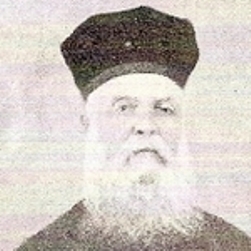
Contributed by: Isaac Gantwerk Mayer (transcription & naqdanut), Isaac Gantwerk Mayer (translation), Reuven Eliyahu Yisrael (translation), Ephraim bar Isaac of Regensburg
Im Afes Rova’ ha-Qen, an Aqedah (poetic retelling of the binding of Isaac) written by the 12th-century scholar R. Ephraim ben Isaac of Regensburg, is one of the few piyyuṭim of Ashkenazi origin to have a beloved place in the Sephardic liturgy. (Much more commonly things go the other way.) In current Sephardic practice it is recited every single weeknight in the month of Elul, as part of the seliḥot liturgy — as well as on the second day of Rosh haShanah. It is also recited in most Ashkenazi Seliḥot liturgies — in the Bohemian and Lithuanian customs on the fast of Gedaliah, and in the Polish custom on the fourth day of the ten days. Which means that not only is this Ashkenazi piyyuṭ beloved by Sephardim, it is substantially *more* beloved by Sephardim than it is by Ashkenazim! And as with any beloved piyyuṭ, it has been translated into the colloquial for all the people to appreciate its language. The following is not only the complete Hebrew text of Im Afes along with a new English translation, but also a rhyming Ladino translation composed by R. Reuven Eliyahu Yisrael, the spiritual leader of the Sephardic community of Craiova, Romania, and published in the aforementioned town in the year 1910 (in טראדוקסייון ליברי די לאס פואיזיאס איבראיקאאס). To demonstrate the techniques used by R. Yisrael in his translation, a literal translation of the Ladino, as well as a transcription into the Latin-script Aki Yerushalaim orthography, is also provided.
Contributed by: Isaac Gantwerk Mayer (transcription & naqdanut), Isaac Gantwerk Mayer (translation), Reuven Eliyahu Yisrael (translation), Unknown
“ben Adam Mah Lekha Nirdam,” of unclear origin, is the opening piyyuṭ of the Sephardic seliḥot service every morning. Drawing a parallel between the literal slumber from which the petitioner has just awoken and the metaphorical slumber of sin, it serves as a fitting introduction to the early morning liturgy. As with any piyyuṭ in such a prominent place, of course, has been translated into the colloquial for all the people to appreciate its language. The following is not only the complete Hebrew text of Ben Adam Ma Lekha Nirdam along with a new English translation, but also a rhyming Ladino translation composed by R. Reuven Eliyahu Yisrael, the spiritual leader of the Sephardic community of Craiova, Romania, and published in the aforementioned town in the year 1910 (in טראדוקסייון ליברי די לאס פואיזיאס איבראיקאאס). To demonstrate the techniques used by R. Yisrael in his translation, a literal translation of the Ladino, as well as a transcription into the Latin-script Aki Yerushalaim orthography, is also provided.


