
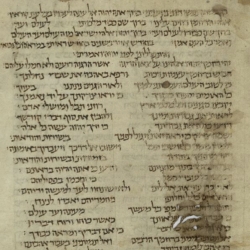
Halfway through translating this work from T.-S. K21.95.T, a prayer attributed to Jacob, I realized that it was an adaptation of a text from the Ladder of Jacob pseudepigrapha, originally written in Greek but only preserved in Slavonic. So I’ve also included the Slavonic text for comparison.
Note: “The CAUSE” is used to translate the Divine Name YHVH, based on the philosophical idea of God as the Prime Mover and on the interpretation of the Name as a causative form of the copula – “causes to be.” This translation also uses the plural pronouns They/Their/Them to refer to God as a pluralis majestatis, and to avoid the implications of God being assigned a gender. (Find Ibn Ezra’s commentary on Genesis 1:1 for a discussion of the pluralis majestatis when referring to God.) All divine referents (pronouns, epithets, names) are rendered in unicase.
| Source (Hebrew) | Translation of Hebrew (English) | Source, Ladder of Jacob (Old Church Slavonic) | Translation of Old Church Slavonic (English) |
|---|---|---|---|
ייי אֱלֹהִים [אֱלֹהֵי] אָדָם שֵׁת אֱנוֹשׁ קֵינָן מַהֲלַלְאֵל יָֽרֶד חֲנוֹךְ מְתוּשֶֽׁלַח נֹֽחַ |
O Cause God! (God of) Adam, Seth, Enosh, Keinan, Mahalalel, Jared, Enoch, Methuselah, Noah,[1] The ten generations from Adam to Noaḥ, as listed in I Chronicles 1:1-4. Notably, Lamekh is missing. |
Г҃и Б҃е адамль твари твоеѧ. |
Lord, God of Adam Your creature, |
ייי אֱלֹהֵי אַבְרָהָם וְיִצְחָק וֵאלֹהֵי הַצַּדִּיקִים אֵל הַנֶּאְדָּר עַל כִּסֵּא כָּבוֹד נָאֶה צִבְאוֹתֶֽיךָ סֶֽלָה. הָאוֹחֵז בַּחֲלוֹמִי הָאוֹחֵז בְּאַרְבַּע פִּנּוֹת הָעוֹלָם כֻּלּוֹ בִּזְרוֹעוֹ הַמֵּכִין אֶת־הַשָּׁמַֽיִם בְּהוֹד כְּבוֹד תִּפְאַרְתּוֹ הַפּוֹתֵֽחַ מִמַּֽעַל לַשָּׁמַֽיִם חַלּוֹנִים כְּשֶׁיֵּשׁ בָּהֶם כֵּאלֹהֵי הַשָּׁמַֽיִם וְהוּא נִסְתַּר בַּלַּֽיְלָה שֶׁלֹּא יֵחָשֵׁב אֵלִים. וַהֲכִינֽוֹתָ בָּהֶם דֶּֽרֶךְ לַיָּרֵֽחַ וְלַכּוֹכָבִים עוֹד קוֹרֵא לָהֶם וְהוֹלְכִים שֶׁלֹּא יְחַשְּׁבוּ אֵלִים מִפָּנֶֽיךָ. |
Cause, God of Abraham and Isaac, and God of the righteous; the majestic Deity upon the throne of glory; pleasant are Your forces, selah. They grasp — in my dream — They grasp the four corners of all eternity with Their arm. They establish the heavens in splendid glorious wonder. They open windows above the heaven, in which there is something[2] Referring to the sun, based on the next line and the parrallel text in the Ladder of Jacob like the God of heaven, but it is hidden at night, that it not be considered divine. And You established in them[3] The heavens a path for the moon and stars, yet calling to them that they go, that they not be considered deities before You. |
и Г҃и Б҃е авраама и ꙇсаака ѿцю моею. и вс҃ѣ ходившии ихъ правдою пред тобою. крѣпцѣ, сѣдѧи на херувимѣхъ, и на пр҃столѣ славы ѿгненѣ, и многоѡчитаа. ꙗко видѣхъ во снѣ моемь, держа четвероличныѧ херувими носѧ, и многоѡчитаѧ серафимь носѧ вѣка всего под мышцею своею. а не носимь ничимже, оутвержь нб҃са на славꙋ имени твоемꙋ. простри на ѡблакꙋ нб҃сную лещащеесѧ под тобою нбо. и да под нимь поточиши сл҃нце и скрываеши в нощи. да не бꙋдеть мнимо бг҃ъ. и оучини на нимь пꙋть мцю и звѣздамь. и сего малиши и растиши. а звѣзды нарѣчеши преходѧтъ. да не и ти мними бꙋдꙋтъ бози. |
And Lord God of Abraham and Isaac my two fathers, and of all who walked before You in righteousness, Strong, seated on the mount-angels, and on the fiery throne of glory, Many-Eyed, as I saw in my dream, Holding, carrying the four-countenanced mount-angels, and the many-eyed cobra-angels, carrying all eternity under Their arm, but none carry you! You established the heavens to glorify Your name, You spread out on heavenly clouds the firmament, luminous under You, so that You would make the sun run under it, and You hide it at night, that it not be considered a god. You are the one who set upon them a path for the moon and stars, and make it wax and wane, and the stars You order to be lost, that they not be considered gods. |
ייי שְׂרָפִים רוֹעֲדִים שֵׁשׁ כְּנָפַֽיִם בִּשְׁתַּֽיִם מְכַסִּים וְאֵינָם נִדְמָמִים וְגַם אֲנִי מְקַדֵּשׁ וְקוֹרֵא שְׁנֵים עָשָׂר רָאשִׁים שְׁנֵים עָשָׂר פְּנֵי שְׁבָטִים רֹּאשׁוֹ נִמְלָא טַל מֵהֶם שֶׁמִּשְּׁנֵיהֶם טְהוֹר עֵינַֽיִם וְיָדַֽיִם שְׁנַֽיִם וְלַפִּיד אֵשׁ בְּרָקִים מַבְהִיק. |
Cause! Cobra-angels are trembling — six wings, covering themselves with two, never silent! And I too will sanctify and call the twelve heads, twelve faces of the tribes. Their head is full of dew[4] Find Song of Songs 5:2 from them, for from the two of them, pure hands and eyes, two,[5] Somewhat unclear terminology. The imagery of God’s eyes and hands being pure can be found in Habakkuk 1:13 and Job 17:9 and a fiery torch of lightning flashes. |
ѿ лица славы твоеѧ боꙗтсѧ серафими шестокрылатїи. и покрываютъ нозѣ и лице крилы своими, а прочими летающе поютъ пѣснь непрестанно, егоже нынѣ азъ сщ҃аѧ новꙋ, в҃і верховне, в҃і личне, многоименне, ѿгненѣ. многозрачне, ст҃е, ст҃ъ, ст҃ъ, ст҃ь. ꙇаѡ. ꙇаѡва. ꙇаѡниль. ꙇаѡкадосъ. хаѡвъ саваѡѳ, ѡмлелѣ. илавирь. амимись, варихъ. |
Before Your glorious Face the six-winged cobra-angels are terrified, and covering feet and face with their wings, and with the rest flying, they sing a song unceasingly, that which I today sanctify anew, O twelve-headed, twelve-countenanced, many-named, all-afire, lightning-visaged, holy, holy, holy, holy! |
קָדוֹשׁ אָוֹ אָב בָּאַיָהּ אָוֹ עוֹלָם אֵל יָאוֹ עוֹלָם מֶֽלֶךְ אֲבִיר אַמִּיץ בָּרוּךְ מָלֵא הַשָּׁמַֽיִם וְהָאָֽרֶץ וּתְהוֹמוֹת וְכׇל־הָעוֹלָמִים לִכְבוֹדֶֽךָ עֲנֵֽנִי וּשְׁמַע תְּהִלָּתִי וְהַגֵּד לִי בְּחֶלְמִי בְּשֹׂרָה כִּי ייי מְהֻלָּל בְּפִי כׇּל־הַנְּשָׁמוֹת. בָּרוּךְ אַתָּה ייי הָאֵל הַמּוֹשִֽׁיעַ אָמֵן׃ |
Holy! Ao, Father, Baayah, Ao of eternity, Deity Iao[6] This line includes multiple divine names. Iao is a well-attested variant of the Tetragrammaton, and Ao is probably a shortened form of it. The word here translated as Father — Av — may be a variant form of Ao in dialects where consonantal vav and fricative bet merged (as in modern Hebrew). Baayah may be an abbreviation of Blessed are You, Yah, and has here been vocalized as such. The Ladder of Jacob text also features a lengthy list of divine names, some of which are transcribed from Hebrew and here restored. of eternity! Sovereign, Champion, Mighty, Blessed! Full are heaven and earth and depths and all eternities to Your glory! Answer me and hear my praise and tell me good tidings in my dream, for the Cause is praised in the mouth of all souls. Blessed are You, Cause, the saving Deity, amen. |
вѣчныи цр҃ю крѣпкыи. силне превелики. терпѣливе блг҃ословенне. наполнѧи небеса и землю. море и безды, и вся вѣкы славы твоеѧ. оуслыши пѣнїе мое имже въспѣхъ тѧ. и даижде ми прошеніе мое егоже прошу оу тебѣ. и възвѣсти ми разрѣшеніе сна моего. ꙗко ты еси бг҃ъ крѣпокъ, и державенъ и славенъ, бг҃ъ ст҃ъ, гь мои. и ѿцъ моихъ. |
Iao Iaova Iaonilĭ Iaokadosŭ Xaovŭ Savaoth Omlelě Ilavirĭ Amimisĭ Varixŭ.[7] A transcription of sacred names from Hebrew. A possible reconstruction of the names: יָאוֹ יְהֹוָה יְהוֹאֵל יְהוֹקָדוֹשׁ כָּבוֹד צְבָאוֹת עוֹלָם מֶלֶךְ אֵל אֲבִיר אָמִּיץ בָּרוּךְ “Iao. The Cause. The Cause is Deity. The Cause is Holy. Glory. Forces. Eternity. Sovereign. Champion Deity. Mighty. Blessed.” Note that the last four words are reconstructed to the original in the Hebrew version. Eternal Sovereign, Strong, Mighty, Greatest, Patient, Blessed, filling heaven and earth, sea and depths, and all eternities, with Your glory. Hear my praise with which I praise You, grant my petition with which I petition You, and herald to me my dream’s interpretation, for You are a strong, mighty, and glorious God, a holy God, my Lord and the Lord of my fathers. |
Source(s)
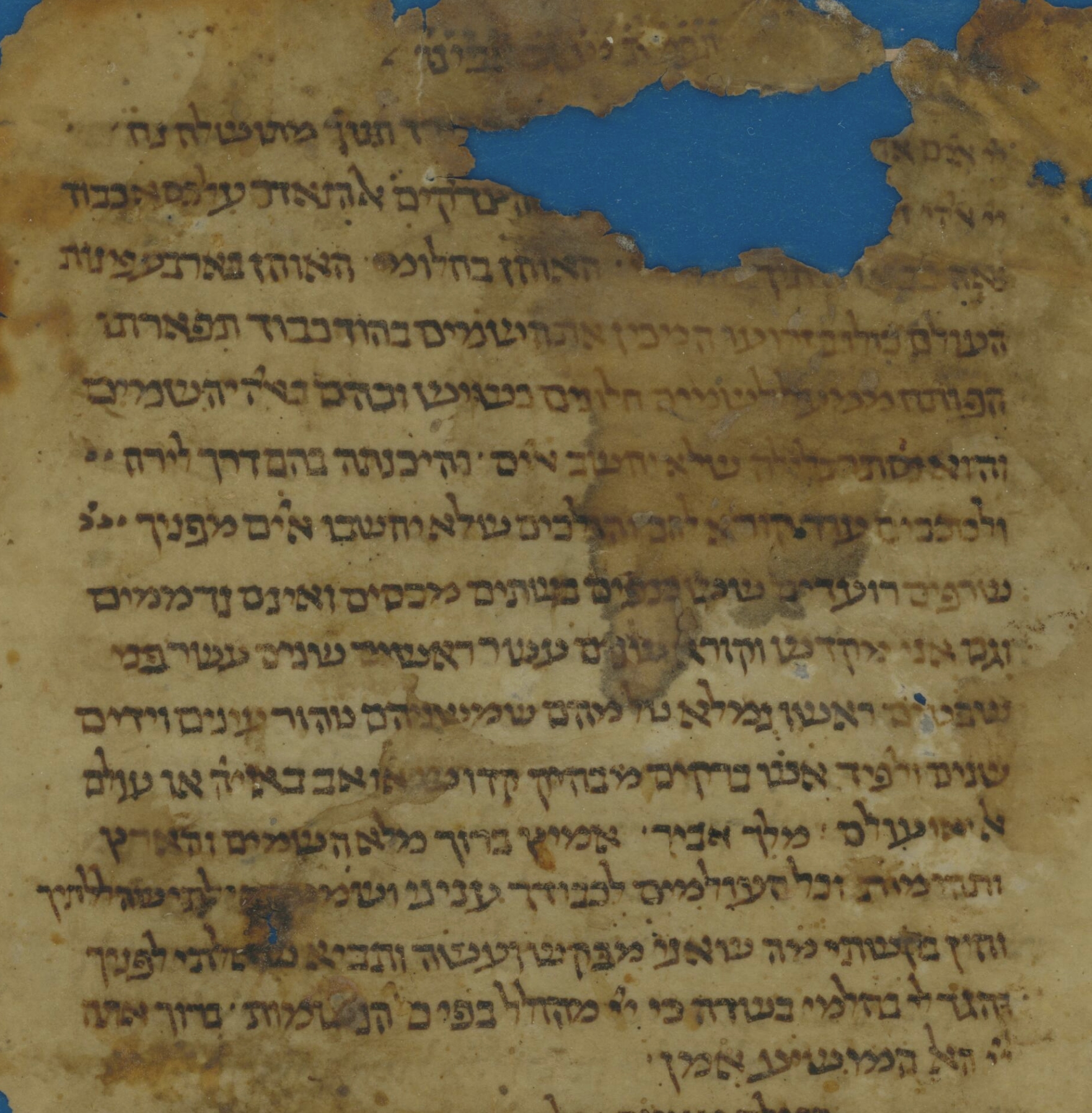
tefilat yaaqov avinu (T-S K 21.95T)
Notes
| 1 | The ten generations from Adam to Noaḥ, as listed in I Chronicles 1:1-4. Notably, Lamekh is missing. |
|---|---|
| 2 | Referring to the sun, based on the next line and the parrallel text in the Ladder of Jacob |
| 3 | The heavens |
| 4 | Find Song of Songs 5:2 |
| 5 | Somewhat unclear terminology. The imagery of God’s eyes and hands being pure can be found in Habakkuk 1:13 and Job 17:9 |
| 6 | This line includes multiple divine names. Iao is a well-attested variant of the Tetragrammaton, and Ao is probably a shortened form of it. The word here translated as Father — Av — may be a variant form of Ao in dialects where consonantal vav and fricative bet merged (as in modern Hebrew). Baayah may be an abbreviation of Blessed are You, Yah, and has here been vocalized as such. The Ladder of Jacob text also features a lengthy list of divine names, some of which are transcribed from Hebrew and here restored. |
| 7 | A transcription of sacred names from Hebrew. A possible reconstruction of the names: יָאוֹ יְהֹוָה יְהוֹאֵל יְהוֹקָדוֹשׁ כָּבוֹד צְבָאוֹת עוֹלָם מֶלֶךְ אֵל אֲבִיר אָמִּיץ בָּרוּךְ “Iao. The Cause. The Cause is Deity. The Cause is Holy. Glory. Forces. Eternity. Sovereign. Champion Deity. Mighty. Blessed.” Note that the last four words are reconstructed to the original in the Hebrew version. |
“תְּפִלַּת יַעֲקֹב אָבִינוּ | Təfilat Ya’aqov Avinu — a Hekhalot magical text from the Cairo Geniza, T-S K 21.95T, based on the text of the pseudepigraphal Ladder of Jacob 2:6–22” is shared through the Open Siddur Project under the Creative Commons Attribution-ShareAlike (CC BY-SA) 4.0 International copyleft license.





Leave a Reply