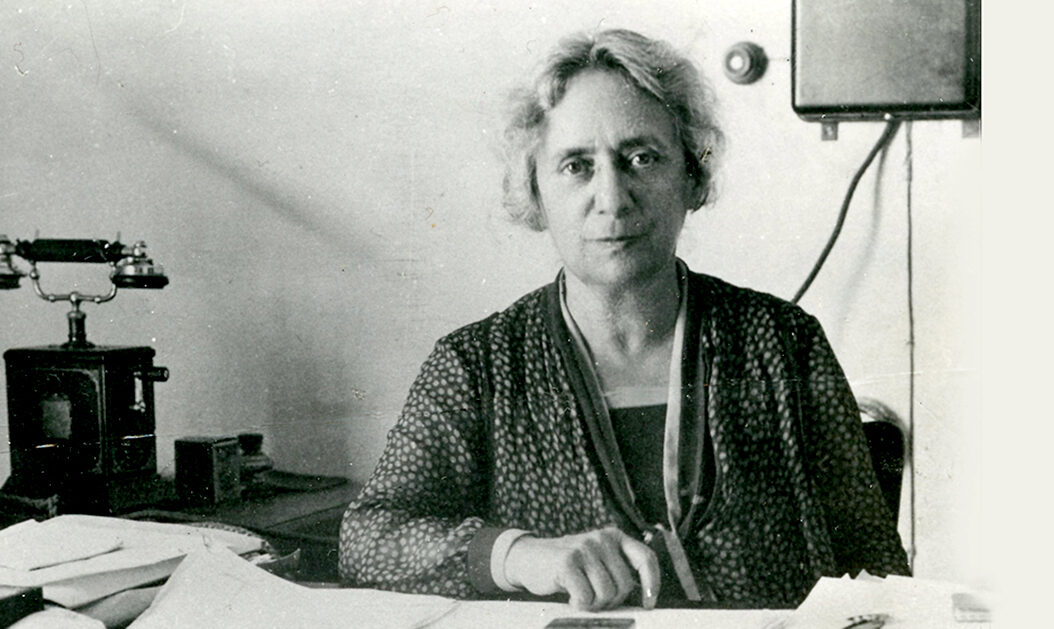
This is an archive of prayers composed for, or relevant to, יוֹם הָאֵם Yom ha-Ém ("Mothers' Day"). The unofficial civic day was originally set on the yahrẓeit of Henrietta Szold (21 December 1860 – 13 February 1945). Although Szold had no biological children, Szold championed children's rights and her organization Youth Aliyah rescued many Jewish children from Nazi Germany and provided for them. For this, she is remembered as the "mother" of all those children. Over the last seventy years, Yom ha-Ém developed into a celebration of familial affection, more often simply called יוֹם הַמִשְּפָּחָה (Yom ha-Mishpaḥah, Family Day) and celebrated on the 13th of Shevat. This day is mainly observed in preschools and kindergartens with a program or activity to which parents are invited. ☞ If you have composed a prayer for Mothers' Day, please share it. Filter resources by Name Filter resources by Tag Filter resources by Category Filter resources by Language Filter resources by Date Range
This is the poem, “The New Colossus” (1883) by Emma Lazarus. Lazarus famously penned her sonnet in response to the waves of Russian-Jewish refugees seeking refuge in the Unites States of America as a result of murderous Russian pogroms following the assassination of Tsar Alexander Ⅱ in 1881. At a time when she was also translating classical Jewish poetry, her identification and revisioning of the Statue of Liberty as “the Mother of Exiles,” points to the familiar rabbinic Jewish identification of the Shekhinah (the Divine Presence, in its feminine aspect) with the light of the Jewish people in their Diaspora. Categories: Tags: Contributor(s): A prayer in Hebrew and Arabic (with translations in English and German) of solidarity of mothers for there to be peace in the world for the sake of their children. Categories: Tags: Contributor(s): I find it important to remind myself, when there is an opportunity to do so in Jewish liturgy, that there are six matriarchs of the children of Israel recognized together as the “shesh imahot” in rabbinic sources: Sarah, Rivqah, Leah, Raḥel, Bilhah, and Zilpah. This is important to me because it is important to recognize that while the Jewish people are famously endogamous, we must also remain open, honest, and respectful of our ancestors who connected to our people through exogamous relationships. Categories: Tags: Contributor(s): |
![the Open Siddur Project [logo]](https://opensiddur.org/wp-content/uploads/2018/09/Open-Siddur-Project-Logo-2016.svg)