![the Open Siddur Project [logo]](https://opensiddur.org/wp-content/uploads/2018/09/Open-Siddur-Project-Logo-2016.svg)
| Source (Hebrew) | Adaptation (German) | Translation of German (English) |
|---|---|---|
מַה־טֹּבֽוּ אֹהָלֶֽיךָ יַעֲקֹב מִשְׁכְּנֹתֶֽיךָ יִשְׂרָאֵל׃ (במדבר כד:ה) |
[Mah Tovu] |
[Mah Tovu] |
וַֽאֲנִי בְּרֹב חַסְדְּךָ אָבֹא בֵיתֶֽךָ אֶשְׁתַּֽחֲוֶה אֶל־הֵיכַל קָדְשְׁךָ בְּיִרְאָתֶֽךָ׃ (תהלים ה:ח) |
In Zuversicht auf Deine große Gnade betreten wir, o Gott, Dein Haus, beten in tieffter Ehrfurcht im Tempel Deiner Heiligkeit. (Psalms 5:8) |
Trusting in Your infinite love, O God, we enter this, Your house; in reverence we draw near unto You in Your holy Temple. |
יְהֹוָה אָהַבְתִּי מְעוֹן בֵּיתֶֽךָ וּמְקוֹם מִשְׁכַּן כְּבוֹדֶֽךָ׃ (תהלים כו:ח) |
Herr! wir lieben Deiner Wohnung stätte, den Ort, wo der Odem Deiner Heiligkeit weht. (Psalms 26:8) |
We love Your dwelling-place, O Eternal, this sanctuary that proclaims Your holy presence. |
וַֽאֲנִי אֶשְׁתַּחֲוֶה וְאֶכְרָֽעָה אֶבְרְכָה לִפְנֵי־יְהֹוָה עֹשִׂי׃ (תהלים צה:ו) |
Wir beugen das Knie vor Dir und beten Dich an, Gott, der uns geschaffen. (Psalms 95:6) |
We bend our knees before You and adore You. |
וַֽאֲנִי תְפִילָתִי־לְךָ ׀ יְהֹוָה עֵת רָצוֹן. אֱלֹהִים, בְּרָב־חַסְדֶּךָ, עֲנֵֽנִי בֶּאֱמֶת יִשְׁעֶֽךָ׃ (תהלים סט:יד) |
Und Du nimm gnädig auf unser Flehen in dieser stunde, o Gott, in deiner Gnaden Fülle. Erhöre uns, unser treuer Hort und Helfer! (Psalms 69:14) |
O Creator, graciously accept our prayer at this time. In the fullness of Your kindness, please answer us, for You are our stronghold and support. |
אָמֵן׃ |
Chor und Gemeinde. Amen. |
Amen |
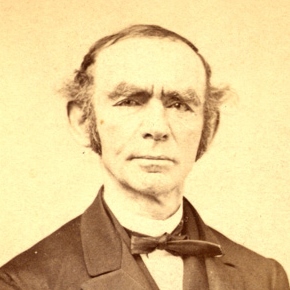
This is Joshua Giorgio-Rubin’s English translation of Rabbi David Einhorn’s adaptation of the opening prayer “Mah Tovu” as found in Rubin’s Olat Hadashah: A Modern Adaptation of David Einhorn’s Olat Tamid for Shabbat Evening (2020). Rabbi Einhorn identifies the prayer by its familiar incipit from the verse Numbers 24:5, but left that verse untranslated.
Source(s)


“מַה־טֹּבֽוּ | Mah Tovu, translated from Rabbi David Einhorn’s Olat Tamid (1858) by Joshua Giorgio-Rubin (2020)” is shared through the Open Siddur Project under the Creative Commons Attribution-ShareAlike (CC BY-SA) 4.0 International copyleft license.



Leave a Reply