Education and Sharing Day is a civic day established by the United States Congress in honor of the late Lubavitch Rebbe and leader of the ḤaBaD movement, Rabbi Menachem Mendel Schneerson (1902-1994). The day calls for an increased focus on education, and recognizes the lifelong efforts of Rabbi Schneerson on behalf of education, for children and adults. Since 1978, "Education & Sharing Day, USA," has been proclaimed by the president each year on the Rabbi Schneerson's birthday on the Jewish calendar, 11 Nissan, which is four days before Passover and thus generally falls between March 21 and April 21 in the Gregorian calendar.
![the Open Siddur Project [logo]](https://opensiddur.org/wp-content/uploads/2018/09/Open-Siddur-Project-Logo-2016.svg)
a community-grown, libre Open Access archive of Jewish prayer and liturgical resources — for those crafting their own prayerbooks and sharing the content of their practice
|
🡄 (Previous category) :: 📁 🇺🇸 National Brotherhood Week  🇺🇸 Education and Sharing DayFilter resources by Name Moshe E. Bomzer | Shmuel Butman | Yosef Goldstein | Mendy Greenberg | J. Leonard Levy | Isaac Gantwerk Mayer (translation) | Moshe Tanenbaum | the Congressional Record of the United States of America | Unknown | Aharon N. Varady (transcription) | Aharon N. Varady (translation) Filter resources by Tag 95th Congress | 109th Congress | 117th Congress | 2022 Russian invasion of Ukraine | affirmations | אנה אמצאך ana emtsaeka | political and religious anarchism | Arabic translation | Aramaic translation | children's education | circle drawing | אמונה emunah | English vernacular prayer | חבּ״ד ḤaBaD Lubavitch | Hebrew translation | U.S. House of Representatives | love your fellow as yourself | panentheism | Pedagogical songs | prayers concerning children | Prayers of Guest Chaplains | progress | U.S. Senate | תחינות teḥinot | תקון עולם tiqqun olam | Universal Peace | universalist | universalist prayers | Yiddish translation | זמירות zemirot | 20th century C.E. | 21st century C.E. | 57th century A.M. | 58th century A.M. Filter resources by Category Additional Preparatory Prayers | 🇺🇸 National Brotherhood Week | Learning, Study, and School | Motsaei Shabbat | Opening Prayers for Legislative Bodies | Purim Qatan | Social Justice, Peace, and Liberty | 🤦︎ Taḥanun (Nefilat Apayim) | Travel | 🇺🇸 United States of America | Labor, Fulfillment, and Parnasah Filter resources by Language Filter resources by Date Range
Stable Link:
https://opensiddur.org/index.php?cat=6780
Associated Image: 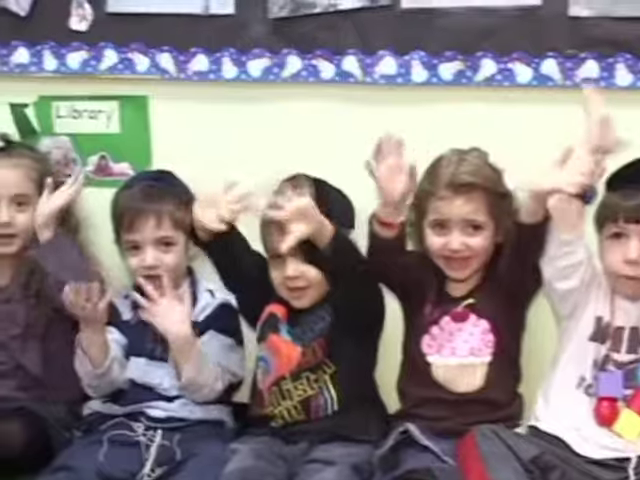
A still frame from the Uncle Moishy video "Don't Walk (in front of me)" (This image is set to automatically show as the "featured image" in shared links on social media.)
Terms of Use:
Be a mentsch (a conscientious, considerate person) and adhere to the following guidelines:
Additional Notes:
Support this work:
The Open Siddur Project is a volunteer-driven, non-profit, non-commercial, non-denominational, non-prescriptive, gratis & libre Open Access archive of contemplative praxes, liturgical readings, and Jewish prayer literature (historic and contemporary, familiar and obscure) composed in every era, region, and language Jews have ever prayed. Our goal is to provide a platform for sharing open-source resources, tools, and content for individuals and communities crafting their own prayerbook (siddur). Through this we hope to empower personal autonomy, preserve customs, and foster creativity in religious culture. ויהי נעם אדני אלהינו עלינו ומעשה ידינו כוננה עלינו ומעשה ידינו כוננהו׃ (תהלים צ:יז) · "May the pleasantness of אדֹני our elo’ah be upon us; may our handiwork be established for us — our handiwork, may it be established." (Psalms 90:17) |


