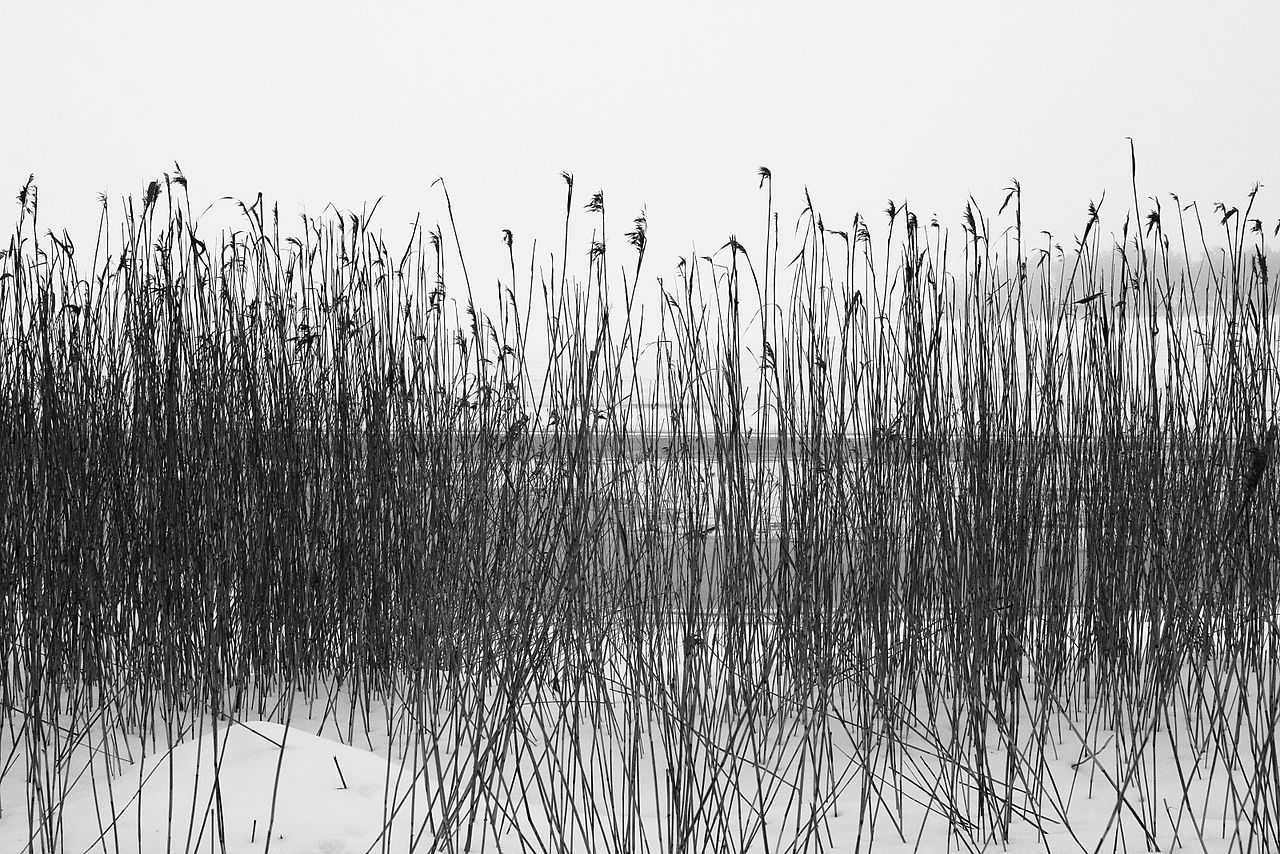
This is an archive of prayers and other works relevant to the 7th and final day of Passover (extended to two days outside of Erets Yisrael) also known as יוֹם וַיּוֹשַׁע Yom vaYoshah. The day commemorates the miraculous passage of the newly liberated Israelites through the Sea of Reeds, and the destruction of the Pharaonic army pursuing them. Click here to contribute a work that you have prepared for the 7th day of Pesaḥ. Filter resources by Name Filter resources by Tag Filter resources by Category Filter resources by Language Filter resources by Date Range
“Andachtsübung über das Verhältniß der Kinder zu ihren Eltern,” a paraliturigcal Yizkor prayer for those with living parents, was translated/adapted by Yehoshua Heshil Miro and published in his anthology of teḥinot, בית יעקב (Beit Yaaqov) Allgemeines Gebetbuch für gebildete Frauen mosaischer Religion. It first appears in the 1829 edition, תחנות Teḥinot ein Gebetbuch für gebildete Frauenzimmer mosaischer Religion as teḥinah №74 on pp. 110-112. In the 1835 edition, it appears as teḥinah №75 on pp. 134-136. In the 1842 edition, it appears as teḥinah №78 on pp. 139-141. Categories: Tags: Contributor(s): Categories: Tags: Contributor(s): Categories: Tags: Contributor(s): Categories: Tags: Contributor(s): The African-American Christian spiritual adapted for a Pesaḥ song in Hebrew and English. Categories: Tags: Contributor(s): A prayer for a woman celebrating the final days of Passover yontef. Categories: Tags: Contributor(s): This is Rabbi Max Landsberg’s public repetition of the shaḥarit festival amidah for the seventh day of Pesaḥ as found in his Ritual for Jewish Prayer (1884), pp. 21-28 and pp. 42-43. Categories: Tags: Contributor(s): “Lord, do Thou guide me” by Alice Montefiore Lucas was written for “Sabbath—ⅩⅥ,” (i.e., Shabbat parashat b’Shalaḥ) and first published in her collection of prayers, The Jewish Year (1898), p. 34. Categories: Tags: Contributor(s): Categories: Tags: Contributor(s): “The Song of Miriam” by Rabbi Ruth Sohn was first published as “I Shall Sing to the Lord a New Song,” in Kol Haneshamah: Shabbat Vehagim, Reconstructionist Prayerbook, 1989, 1995 Second Edition. Reconstructionist Press, pp. 768-769. (This poem was also published in several haggadot and other books and set to music by several composers in the U.S. and Israel.) Rabbi Sohn wrote the poem in 1981 as a rabbinical student after immersing herself in the Torah verses and the traditional midrashim about Miriam, and after writing a longer modern midrash about Miriam. Part of this modern midrash was published as “Journeys,” in All the Women Followed Her, ed. Rebecca Schwartz (Rikudei Miriam Press, 2001). Categories: Tags: 20th century C.E., 58th century A.M., אז ישיר Az Yashir, English vernacular prayer, Jewish Women's Prayers, Miriam, Opening Prayers, Openers, Prayers as poems, תפילות קודם התפילה Prayers before Praying, Prayers for Praying Contributor(s): These are the lyrics of the song, Miryam haNevi’ah, written by rabbis Leila Gal Berner and Arthur Waskow (with Hebrew by Leila Gal Berner) as found published in My People’s Prayer Book, vol. 7: Shabbat at Home, (ed. L. Hoffman, 1997), section 3, p. 189. The English lyrics are from an article published several years earlier — “Memories of a Jewish Lesbian Evening” by Roger McDougle appearing in Bridges (vol. 4:1, Winter/Spring 1994), on the top of page 58. No specific date is given for the havdalah program described in the article, alas. If you know the earliest reference for the publication or use of Miryam haNevi’ah, please contact us. Categories: Tags: Contributor(s): Please God
Let me light
More than flame tonight. More than wax and wick
and sliver stick of wood.
More than shallow stream of words
recited from a pocket book. Categories: Tags: 21st century C.E., 58th century A.M., candle lighting, English poetry, English vernacular prayer, entering, fire, כוונות kavvanot, kindling, Light, potential, Prayers as poems, welcoming Contributor(s): This piece emerged in February 2023 upon realizing that instead of reading ים סוף as Yam Suf (generally understood at the Sea of Reeds), it could be read as Yam Sof: Sea of End[ing]. It was apparent to me that we may have approached this sea (escaping from slavery) thinking that it would be the end of us. It was not. But it was the end of *something*. Categories: Tags: Contributor(s): “Shirat Miriam and Devorah / Uri, Uri” (Song of Miriam, Song of Deborah / Rise up, Rise Up) was first published in 2024, as the second of four piyyutim published through the Diwan Ashira Project by Ephraim Kahn. Categories: Tags: 2023-2025 Israel–Hamas war, 21st century C.E., 58th century A.M., Devorah, Miriam, פיוטים piyyuṭim, רשויות reshuyot, פרשת בשלח parashat B'shalaḥ, שבת שירה shabbat shirah, שירת הים Shirat haYam, זמירות zemirot Contributor(s): |
![the Open Siddur Project [logo]](https://opensiddur.org/wp-content/uploads/2018/09/Open-Siddur-Project-Logo-2016.svg)