This is an archive of prayers and related resources offered for Shabbat haGadol, the shabbat preceding the festival of Pesaḥ in the month of Nissan.
![the Open Siddur Project [logo]](https://opensiddur.org/wp-content/uploads/2018/09/Open-Siddur-Project-Logo-2016.svg)
a community-grown, libre Open Access archive of Jewish prayer and liturgical resources — for those crafting their own prayerbooks and sharing the content of their practice
|
 Shabbat haGadolFilter resources by Name Binyamin bar Zeraḥ | Joseph ben Samuel Bonfils | Len Fellman (translation) | Yanai haPayetan | Yosef ibn Abitur | Isaac Gantwerk Mayer (transcription & naqdanut) | Isaac Gantwerk Mayer (translation) | the Mesorah (TaNaKh) | Unknown Filter resources by Tag acrostic | Acrostic signature | phonetic alphabetic acrostic translation | Alphabetic Acrostic | עמידה amidah | Angels | אזהרות azharot | calendar announcements | Cantillated readings in English | English Translation | הפטרות haftarot | Italian Jewry | קרובות ḳerovot | liberation from mitsrayim | לוח lu'aḥ | Minhag Ashkenaz | Minhag Polin | Nusaḥ Italḳi | ofanim | פיוטים piyyuṭim | pre-Pesaḥ | Public Amidah | Roman minhag | Shaḥarit l'Shabbat ul'Yom Tov | transtropilation | יוצר אור yotser ohr | יוצרות yotsrot | זולת zulat | 11th century C.E. | 21st century C.E. | 49th century A.M. | 58th century A.M. Filter resources by Category Filter resources by Language Filter resources by Date Range
Stable Link:
https://opensiddur.org/index.php?cat=6373
Associated Image: 
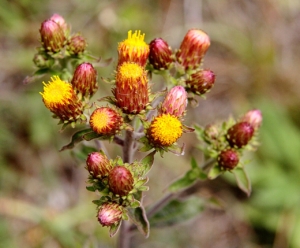
Inula conyzae, Ploughman's Spikenard (credit: Donald Macauley, license: CC BY-SA) (This image is set to automatically show as the "featured image" in shared links on social media.)
Terms of Use:
Be a mentsch (a conscientious, considerate person) and adhere to the following guidelines:
Additional Notes:
Support this work:
The Open Siddur Project is a volunteer-driven, non-profit, non-commercial, non-denominational, non-prescriptive, gratis & libre Open Access archive of contemplative praxes, liturgical readings, and Jewish prayer literature (historic and contemporary, familiar and obscure) composed in every era, region, and language Jews have ever prayed. Our goal is to provide a platform for sharing open-source resources, tools, and content for individuals and communities crafting their own prayerbook (siddur). Through this we hope to empower personal autonomy, preserve customs, and foster creativity in religious culture. ויהי נעם אדני אלהינו עלינו ומעשה ידינו כוננה עלינו ומעשה ידינו כוננהו׃ (תהלים צ:יז) · "May the pleasantness of אדֹני our elo’ah be upon us; may our handiwork be established for us — our handiwork, may it be established." (Psalms 90:17) |


