![the Open Siddur Project [logo]](https://opensiddur.org/wp-content/uploads/2018/09/Open-Siddur-Project-Logo-2016.svg)
| Source (Yiddish) | Translation (English) | Adaptation (Yiddish) | Translation of Adaptation (English) |
|---|---|---|---|
רִבּוֹן עוֹלָמִים דוּא הער פוּן דר װעלט דוּ אלמאכטיגר גאט דוּא האשׂט בּשׁאפן מיט דײני גרושׂי דר בארמהערציקײט הימל אוּנ ערד אוּנ אלי בּשׁעפנישׁ אין די ערשֹטי זעקשׂ טאג נאר מיט צעהן װערטר אוּנ פוּן זיבּנטן טאג דשׂ איז דר שַׁבָּת קוֹדֶשׁ דר הײליגר שַׁבָּת האשׂטוּ גרוּאט פוּן דײן װערטר אוּן אוך האשׂט דוּא גטאן צוּ דײן ליבּ פאלק יִשְׂרָאֵל װאשׂ דוּא אושט דיך ברימן מיט זיא אז אין פָּסוּק שטיט (יִשְׂרָאֵל אֲשֶׁר־בְּךָ֖ אֶתְפָּאָֽר) איז טײטש עטץ ליב פאלק ישר אל מיט אײך טוא איך מיך ברימן אז זי זאלן אוך מין שַׁבָּת קוֹדֶשׁ רואן פון אלי ארבּיט אוּנ אױך פוּן װערטר װאשׂ עטץ דארף ניט צוּ רידין נאר זמל רידין דִבְרֵי תּוֹרָה אוּנ צוּא לערנן איטליכר נאך זײן יִכוֹלֶת נאך און דר װאשׂ ניט קאן לערנן אוּנ אוך די װײבּר זאלן טײטשׁ לײנן און זמון אוך פר שטײן וױא גאט צוּ דינן זאלן װישן װי צוּ האלטן זײערע מִצְוֺת װאשׂ גאט האט זײ גיבּאטן |
Master of the universe, ruler of the world! Almighty God, in your great mercy with but ten pronouncements you created, in the first six days, heaven, earth, and all of creation. On the seventh day, that is the Shabbat Qodesh (the holy sabbath) you ceased speaking and you also made it so that your beloved people Yisrael (through whom you are to be glorified, [as it says in the verse] ‘Yisrael, in whom I glory’ (Isaiah 49:3), which translates into Yiddish, ‘You, beloved people of Yisrael, through you am I glorified’) on Shabbat Qodesh should also rest from all work and from superfluous talk. They should only speak words of Torah and study, each according to his ability. Moreover, those [men] incapable of study, and women, should read in Yiddish so they also will understand how to serve God. They must know how to keep the mitsvot that apply to them that God has set forth.[1] See Aramaic Piyut, Section H. |
רִבּוֹנוֹ שֶׁל עוֹלָם דוּא הער פוּן דער װעלט דוּא אלמאכטיגֶר גאָט דוּ האָשׂט בּאשׁאפין מיט דײַן גרױשׂ דער בארימהארציקײַט הימִל אוּנ ערד אוּנ אלע בַּשֶׁפענֶשׁ אין די זעקס טעג נאָר מיט צעהֶן װערטֶר אוּנ אין זיבּעטִן טאָג דאָשׂ איז דֶר שַׁבָּת קוֹדֶשׁ דֶר הײַליגֶר שַׁבָּת האָשׂטוּ גִרוּעט פוּן דײַן װערק אוּן אױך האָשׂטוּ גיבּאָטין צוּא דײַן ליבּ פאָלק יִשְׂרָאֵל אז זײ זאָלן אױך רוּען אוּם שַׁבָּת קוֹדֶשׁ פוּן אלע ארבֶּט אוּנ אױך פוּן אזעלכע װערטֶר װאָשׂ מען דארף ניט צוּ רײדין נײַערט זײא זאָלין רײדין דִבְרֵי תּוֹרָה אוּנ צוּא לערנן איטליכֶר נאָך זײַן יִכוֹלֶת נאָך װאָשׂ ער קאָן לערנֶן אוּנ אױך די װײַבֶּר זאָלין װישׂין וױא צוּ הַאלְטְן זײערע מִצְוֺת װאָשׂ גאָט האָט זײ גיבּאָטין |
Master of the World, you created heaven and earth and all creatures with great compassion within six days and with only ten words.[2] Mishnah, Avot 5:1; this refers to the ten-fold “And God said”’s in Genesis 1 and 2. And on the seventh day, which is Shabbat Qodesh, you rested from your work. And you also commanded your beloved people, Yisrael, that they, too, should rest on Shabbat Qodesh from all work, and also refrain from speaking words which are not words of Torah, which each person should study according to his ability. And women, too, should know how to perform their obligations that God has commanded. |
אוך האשׁטוּ אוּנש גגעבּן חֲדָשִׁים װאשׂ די סַנְהֶדְרִין פלעגן זיך צו הײליגן די חֲדָשִׁים הײנט אז מיר זענן מְקַדֵשׁ הַחוֹדֶשׁ אז מיר בּענשׁן אן שַׁבָּת װאשׂ רֹאשׁ חוֹדֶשׁ איז אוּנ דען מאל איז צײט אז מן זאל בּעטן גאט און דרוּם טוּאן מיר פר שׁפּרײטן אוּנזר טענר פר גאט אוּנ טוּען תְּפִלוֹת אַז דוּא זאָלשׂט אוּנז װידר קערן אין יְרוּשָׁלַיִם אוּנ זמל דר נײמן אוּנזר טעג אז װי צוּם ערשׂטן דען מיר האבּן קײן כח ניט מיר קענן שון ניט דר לײדן דאש שװערי ביטרה גָלוּת דען מיר זעק אוך אז שעפליך די שלאפי עש אז פר שטערט אוּנז שַׁבַּתִּים און יָמִים טוֹבִים און אוּנזר חֲדָשִׁים און מיר זענן אז יְתוֹמִים אז דו שמף װאש זענן פר ערט אן אײן פאשטך דען די אוּמּוֹת האבן צו פיל מֶמְשָׁלָה איבר אונז |
In addition, you have given us new moons which the Sanhedrin would use to sanctify the new months. Today we sanctify the month as we [declare] the month that it will be on the sabbath. That hour is a time when we should pray intensely. Therefore we lay out our pleas before God and pray that you should return us to Yerushalayim and renew our days as of old, for we have no more strength to bear the torments of this hard, bitter exile. Also, we are as sleeping lambs. Our sabbaths, festivals, and months are disrupted. We are like orphans, like sheep lost without a shepherd. For the nations have too much power over us. |
אױך האָשׁטוּ אוּנז גיגעבּין חֲדָשִׁים װאָשׂ די סַנְהֶדְרִין פלעגין הײליגין די חֲדָשִׁים אוּנ הײַנט װאָשׂ מיר זײנֶן מְקַדֵשׁ הַחוֹדֶשׁ אוּנ מיר בּענטשׁין רֹאשׁ חוֹדֶשׁ אין שַׁבָּת װאָשׂ פַר רֹאשׁ חוֹדֶשׁ איז אוּנ דענשׂט מאָל איז צײַט מען זאָל בּעטין דְרוּם טוּען מיר פַר שׁפּרײטין אוּנזֶרע טענער פַר הַשֵׁם יִתְבָּרֵךְ אוּנ מיר טוּען תְּפִלָה אַז דוּ זאָלשׂט אוּנז װידער קערין קײַן יְרוּשָׁלַיִם אוּנ זאָלשׂט דער נײַען אוּנזֶרע טעג אזוֹ װיא צוּם ערשׂטין דען מיר האָבּין איצוּנד ניט קײַן בֵּית הַמִקְדָשׁ אוּנ קײַן מִזְבֵּחַ אוּנ קײַן כֹּהֵן גָדוֹל װאָשׂ זאָל אױף אוּנז מְכַפֵּר זײַן נאָר אוּנזֶר תְּפִלָה איז אָן שׁטאָט פוּן דיא קָרְבָּנוֹת דרוּם פאר נעם אוּנזער תְּפִלָה |
You have also given us new moons which the Sanhedrin used to consecrate.[3] Mishnah, Rosh Hashanah 1-3. And today, when we consecrate and bless Rosh Ḥodesh on the Shabbat before the Rosh Ḥodesh, it is a time to entreat God. Therefore we extend our hands to you, Hashem yitbarakh, in supplication, and pray that you will return us to Yerushalayim and renew our days as of old.[4] Lamentations 5:21. For we do not have a Beit haMiqdash now, nor an altar, nor a Kohen Gadol to absolve us, but only our prayer, which is a substitute for the sacrifices.[5] Cf. Hosea 14:3 and Psalms 141:2. Therefore, may you accept and answer our prayer. |
(אַתָּה אֵל נְקָמוֹת) אבר דוא גאט דו בישט דאך תָּמִיד נוקם אונ טושט אײן רעכנוג אן די רְשָׁעִים דרום טואן מיר דיך בעטן (רִבּוֹן עוֹלָמִים) זײא דיך נוקם אן דיא װאש טואן אונז װי פון זְכוּת אָבוֹת ואמהות דו גאט אזו װאול אז דוא האשט געיפרט אונזר אָבוֹת אזו זאלשטו אונז ענפרן דעם חוֹדֶשׁ אין דעם זְכוּת פוּן אוּנזר מוּטר׃ שָׂרָה װאשׂ דוּא האשׂט פוּן אירנט װעגן גבּאטן אוּנ האשׂט גזאגט (אַל תִּגְעוּ בִּמְשִׁיחָי) איז טײטשׁ עטץ אוּמּוֹת זאלט אײך ניט דר װעדן אן צו רירן אן מײן צַדִּיקִים |
But you are ‘the God of Vengeance’.[6] Cf. Ps. 94: 1. Indeed, God, you always vindicate [us] and make a reckoning with the wicked. Thus we beseech you, Master of the universe, vindicate us against those who harm us. By the merit of the patriarchs and the matriarchs,[7] This cataloguing of the merits of the matriarchs as the basis for Yisrael deserving divine favour is a standard trope in tkhines (see NLI R8°894501: Eyn gor sheyne tkhine; cf. the various tkhines in Klirs et al. (eds.), The Merit of Our Mothers). Weissler emphasized that the tkhine genre in general used images that related to women’s identity and implied women’s importance and power (see e.g. Weissler, Voices of the Matriarchs, 7, 48–50, 59–65, et passim). you, God, as fully as you answered our fathers so should you answer us this month by the merit of our mother — Sarah, for whose sake you declared and said: ‘Do not touch my anointed ones’,[8] See Aramaic Piyut, Section J. which translates: ‘O nations, you dare not touch my righteous ones.’ |
אוּנ זאָלשׂט אוּנז ענטפערין אין דעם חוֹדֶשׁ אין דעם זְכוּת פוּן אוּנזֶר מוּטֶר שָׂרָה װאָשׂ דוּא האָשׂט פוּן אירט װעגין גיבּאָטין אוּנ האָשׂט גִזאָגט אַל תִּגְעוּ בִּמְשִׁיחָי כו׳ דָשׂ איז טײַטשׁ איר זאָלט ניט אָן רירִן צוּ בּײַזִן צוּ מײַנע גיזאלבּטע אוּנ אין מײַנע נְבִיאִים זאָלט איר ניט טאָן קײַן שׁלעכטץ |
Answer us this month, through the merit of our mother Sarah for whose sake you commanded and said: “Do not dare to touch my anointed ones,”[9] Cf. Psalms 105:15 and I Chronicles 16:22. which means: Do no evil to my anointed people, and do no harm to my prophets. |
אזו אוך זמל קײן אומה קײן מאכט האבן אלי איר קינדר אן צו רירן צו ביז אוּנ זְכוּת איז פוּן אוּנזר מוטר׃ רִבְקָה װאשׂ זי האט גוֹרֵם גװעזן אן אוּנזר פאטר יַעֲקֹב זאל די בְּרָכוֹת מְקַבֵּל זײן פוּן פאטער יִצְחָק |
No nation can have any power to harm her children because of the merits of our mother — Rivqah, who arranged for our father Yaaqov to receive the blessings from father Yitsḥaq.[10] See Gen. 27:3–18; cf. the blessing associated with Rebecca in the Aramaic text (Aramaic Piyut, Section J) and the analysis below [found in the text of Moshe Rosman’s article]. |
אוּנ אין דעם זְכוּת פוּן אוּנזער מוּטער רִבְקָה װאשׂ זיא האט גוֹרֵם גיװען אז אוּנזער פאטער יַעֲקֹב זאל מְקַבֵּל זײן דיא בְּרָכוֹת פוּן זײן פאטער יִצְחָק אז דיא בְּרָכוֹת זאלין בּאלד מְקוּיָם װערין אין אירע קינדער דיא יִשְׂרָאֵל |
And may the merit of our mother Rivqah, who caused our father Yaaqov to receive the blessings from his father Yitsḥaq, cause the blessings to be fulfilled soon through her children Yisrael. |
אונ די בְּרָכוֹת זאלן בּאלד מְקוּיָם װערן אן איר קינדר יִשְׂרָאֵל אין זְכוּת פוּן אוּנזרה גיטרײע מוּטר׃ רָחֵל װאשׂ האשׂטו איר צוּ גזאגט אז אן איר זְכוּת װעלן איר קינדר יִשְׂרָאֵל אױש דעם גָלוּת ארױשׂ קומן דען אז מן האט די יִשְׂרָאֵל אין גָלוּת ארײן גפירט האט מן זי גפירט ניט װײט פוּן דעם קֵבֶר װאשׂ אוּנזער מוּטר רָחֵל איז דארט גלעגן האבן זיך די יִשְׂרָאֵל אױשֹ גבּעטן בּײא דעם (שׂוֹנֵא) אז זי זאָלן גײן אוף דעם (קֵבֶר רָחֵל) אוּנ װי די יִשְׂרָאֵל זענן גקוּמן אוף אוּנזרה מוּטר רָחֵל אוּנ האבּין אן גהוֹבן צוּ װײנן אוּנ צוּ שׁרײען מוּטר מוּטר וױא קענשׂטוּ דאשׂ צוּ זעהן אז מן זאל אוּנז פר דיר פירן אין גָלוּת ארײן איז |
May these blessings soon be fulfilled for her children Yisrael, by the merit of our faithful mother — Raḥel, you promised that by her merit we the children of Yisrael would come out of exile. Then when Yisrael was sent into exile they were led not far from the grave where our mother Raḥel lies. Israel begged the enemy to allow them to go to Raḥel’s grave. Yisrael came to our mother Raḥel and began to cry and scream, ‘Mother, Mother! How can you watch as we are being led away from you into exile?’ |
אוּנ אין דעם זְכוּת פוּן אוּנְזער מוּטער רָחֵל דיא גיטרײַע װאָשׂ דוּ האָשׂט איר צוּא גיזאָגט אז אין איר זְכוּת װעלין אירע קינדער יִשְׂרָאֵל פוּן דעם גָלוּת בָּבֶל ארױשׂ גײן דען אז מען האָט די יִשְׂרָאֵל אין גָלוּת ארײַן גיפירט האָט מען זײא גיפירט ניט װײַט פוּן דעם קֵבֶר װאָשׂ אוּנזער מוּטֶר רָחֵל ליגט דרינען האָבּין דיא יִשְׂרָאֵל זיך אױשֹ גיבּעטין בּײַא דעם שׂוֹנֵא אז זײ זאָלין גײן אױף דעם קֵבֶר אוּנ װיא די יִשְׂרָאֵל זײַנען גיקוּמען אױף דעם קֵבֶר פוּן אוּנזֶר מוּטֶר רָחֵל אוּנ האָבּין אָן גיהוֹבּין צוּ װײנען אוּנ צוּ שׁרײען – אוּנזֶר גיטרײַע מוּטֶר וױא קענשׂטוּ דאָשׂ צוּ זעהן אַז מען זאָל אוּנז פירין אין גָלוּת ארײַן איז |
And may the merit of our faithful mother Raḥel, to whom you promised that through her merit her children Yisrael would be delivered from exile,[11] Cf. Jeremiah 31:15-17. cause the promises to be fulfilled. For when Yisrael was led into exile, they passed not far from the grave in which our mother Raḥel lies. Yisrael begged the enemy to allow them to go to Raḥel’s grave, and there they began to weep and to cry out: “Our dear mother, how can you watch us being led into exile?”[12] Louis Ginzberg, Legends of the Jews, II, 21. |
רָחֵל ארױף גגאנגן צוּ השׁ״י מיט אײן בּיטרן גשׁרײא אוּנ האט גשׁפּראכן רִבּוֹנוֹ שֶׁל עוֹלָם דײן רַחֲמָנוֹת איז דאך פיל גרעשׂר װי דָשׂ רַחֲמָנוֹת פוּן דעם מענטשׁן דר צוּ האב איך דאך רַחֲמָנוֹת גהאט איבר מײן שװעסטר לֵאָה װען אײן פאטר האט פר ביטן און האט זיא גגעבן צו מײן מאן ער האט מיט איר גשמוסט דר װארטן מײן מאן זאל מײנן אז איך בין דאש װי װאול עש אי׃ מיר די זאך זײער װײא גװעזן האב איך איר גזאן ט סִימָנִים מִכָּל שֶׁכֵּן דו גאט בישט דאר גאט (רַחוּם וְחַנּוּן) קערשטו פְּשִׁיטָא רחמנת צו האבן אונ אונז אויש דעם גָּלוּת ארויש ציהן דש מאל |
Raḥel went up to Hashem yitbarakh with a bitter cry and declared: ‘Master of the universe! Your mercy is much greater than the mercy of humans. In that respect, I had mercy on my sister, Léah, when my father made the switch and gave her to my husband. He instructed her so that my husband would think that she was I. Although this caused me great sorrow, I told my sister the signals. How much the more so, you, God, are merciful and compassionate. You should simply have mercy and take us out of the exile now.’[13] This paragraph conflates and embellishes several midrashic motifs concerning the matriarch Rachel (see Louis Ginzberg, Legends of the Jews, 6 vols. (Philadelphia, 1954–61), i. 415, ii. 135, iv. 310, and references; see also analysis below). |
רָחֵל אױף גיגאנגען צוּ השׁ״י מיט אײַן בּיטֶר גישׁרײא אוּנ האָט גישׁפּראָכין רִבּוֹנוֹ שֶׁל עוֹלָם דײַן רַחֲמָנוֹת איז דאָך פיל גרעשׂער װיא דאָשׂ רַחֲמָנוֹת פוּן דעם מענטשׁין דוּא גאָט בּישׁט דאָך גאָר רַחוּם וְחַנוּן גיהערשׁטוּ פְּשִׁיטָא רַחֲמָנוֹת צוּ האָבּין אַזוֹ האָט גאָט איר גיענטפערט דוּא האָשׂט בּײַא מיר רעכט איך װעל דײַנע קינדער אױשׂ די צָרוֹת אױשׂ ציהען – דְרוּם בּעטין מיר דיך אַז דאָשׂ זאָל מְקוּיָם װערין װעגין איר זְכוּת |
Then Raḥel went up to Hashem yitbarakh with a bitter cry and said, “Master of the World, your compassion is certainly much greater than the compassion of a human being. You, who are certainly a merciful and gracious God, surely have compassion.” God answered her: “You are right. I will take your children out of their misery.”[14] Louis Ginzberg, Legends of the Jews, II, 135 and VII, 396. Thus we ask that this may come to pass for her merit. |
אזו זאלן מְקוּיָם װארן אין איר זְכוּת אונ זְכוּת פוּן אונזרה מוטר׃ לֵאָה װאש זיא האט טאג אונ נאכט גװײנט זאל ניט פאלן אין גורל פון עֵשָׂו הָרָשָׁע ביז איר אויגן זענן טונקל גװארן אין איר זְכוּת זאלשׂטוּ אוּנז דר לײכטן אוּנזרי אױגן פוּן דען פינצטרן גָלוּת |
It should come to pass by her merit and the merit of our mother Léah: who cried day and night that she not meet the fate of [marrying] the evil Esav; so much that her eyes went dark.[15] Louis Ginzberg, Legends of the Jews, i. 359, and references. By her merit should you enlighten our eyes out of the dark exile. |
אוּנ אין דעם זְכוּת פוּן אוּנזער מוּטער לֵאָה אין איר זְכוּת זאָלשׂטוּ אוּנז דער לײַכטין אוּנזערע אױגין פוּן דעם פינצטערנעשׁ |
And for the merit of our mother Léah and that through her merit you may illumine our eyes so that we may overcome darkness. |
אֲנַחְנוּ מיר װארן דאך גרופן׃ בַּת אַבְרָהָם די קינדר פוּן אַבְרָהָם אָבִינוּ הײנט זאלין מיר זײן אין די אום דר בארמיגה הענט׃ |
We indeed shall be known as the daughter of Avraham.[16] Aramaic Piyut, Section K. The children of Avraham our father, we today should be in his merciful hand. |
מיר װערין דאָך גירוּפין בְּנֵי אַבְרָהָם דיא קינדער פוּן אַבְרָהָם אָבִינוּ וױא זאָלין מיר הײַנט זײַן אזוֹ פאר לאָזין |
Since we are called Bnei Avraham, the children of Avraham our forefather, how is it then that we are still so neglected? |
הָרֶב טוּא אוּנז אפ װאשן פון אונזרה זינד דען מיר זענן פיל גשלאגן גװארן דורך אונזר זינד דרום דר נײא אונש אונ ברענג אונז אױף דעם חוֹדֶשׁ צוּ פרײד אוּנ עשׂ זאל אוּנש פר קערט װערן אלץ צוּ גוּטן׃ |
Wash us thoroughly of our sins for we have been mightily thrashed for our sins. Therefore renew us and bring us in this month to gladness, that all should be turned for the good. |
הָרֶב כַּבְּסֵני טוּא מערין צוּא װאשׁין מיר די זינד דרוּם דער נײַא אוּנ בּרײנג אױף אוּנז דעם חוֹדֶשׁ צוּא פריד אוּנ עשׂ זאָל אוּנז פַאר קערט װערין אלץ צוּא גוּטין · |
Wash me thoroughly; continue to wash me of my sins.[17] Cf. Ezekiel 36:25 and Psalms 51:4. Therefore renew us and bring us a new and joyful month [so peace and prosperity will return to us, and all will be good]. |
גְאוֹן עוּזֵנוּ דוּ בּישׂט דאך אוּנזר גרושׂר הערשׁאפט דוּ זאָלשׂט דר היבּן אוּנז אוּנ זאלשׂט פר קערן צוּ גוּטן אונ זְכוּת די פרומה אָבוֹת הַקְדוֹשִׁים אַבְרָהָם יִצְחָק יַעֲקֹב׃ |
Pride of our strength, you are our great ruler. You will raise us up and turn everything to the good by the merit of the pious, holy patriarchs, Avraham, Yitsḥaq, (and) Yaaqov. |
גְאוֹן עוּזֵנוּ דוּא בּישׂט דאָך אוּנזער גרױשׂער הערשׁאפט דוּא זאָלשׂט דער הײַבּין אוּנז אוּנ זאָלשׂט פאר קערין צוּ גוּטין פוּן װעגין דעם זְכוּת פוּן אוּנזֶרע אָבוֹת הַקְדוֹשִׁים אַבְרָהָם יִצְחָק וְיַעֲקֹב׃ |
Source of our strength,[18] Cf. Ezekiel 24:21. you are our great Lord: raise us up high and cause only good to come to us. May all be turned to good through the merit of our holy forefathers, Avraham, Yitsḥaq, and Yaaqov. |
רִבּוֹן עוֹלָמִים דו טושט אונז רופן סְגוּלָּתִי דאש איז טײטש עטץ זענט מײן ליב פאלק און מיר טואן דיך אן רופן אונזר ליבר פאטר אונ מיר ביטן דיך דו זאלשט געבן אונז אונ אלי װאש מיאן זיך אין דײן הײליגר תּוֹרָה און װאש זענן מחדש הײליגה סְפָרִים אונ װאש זענן אונז מסדר תְּפִלּוֹת וּתְחִינּוֹת זאלן זוכה זײן צו האבן (זֶרַע כָּשֵׁר חַיִּים וְקַיָּמִים) זאלן זײן תַּלְמִידֵי חֲכָמִים אונ זאלן גאט דינן (בְּלֵב תָּמִים) און מיט ליבשאפט מיט די חֲסִידִים אָמֵן כֵּן יְהִי רָצוֹן׃ |
Master of the universe, you have called us ‘my treasure’. That translates, ‘You are my beloved people’. We call you our beloved Father and ask that you grant us and all who apply themselves to your holy Torah—who expound on the holy books and who compose prayers and supplications for us—[that we] should merit having proper and healthy offspring. They should be Torah scholars who serve God with a pure heart, with love, together with the pious. Amen. May it be his will. | ||
יְהִי רָצוֹן מִלְפָנֶיךָ יְיָ אֶלֹהֵינוּ וֵאלֹהֵי אֲבוֹתֵינוּ שֶׁתְּחַדֵשׁ עָלֵינוּ אֶת הַחוֹדֶשׁ הַזֶה לְטוֹבָה וְלִבְרָכָה וְתִתֶּן אוּנ דוּא זאָלשׂט געבּין צוּא אוּנז חַיִים אֲרוּכִים חַיִים שֶׁל טוֹבָה חַיִים שֶׁל בְּרָכָה מיר זאָלין פוּן גאָט בָּרוּךְ הוּא |
May it be your will, Hashem, our elo’ah and elo’ah of our ancestors, that you renew for us this month[19] Paraphrase of the liturgical Prayer for the New Moon. and cause good and blessing to come to us, and that you give us a long life, a good life, and a blessed life, that we may be nourished by God — blessed be He. | ||
גישׁפּײַזט װערין חַיִים שֶׁל פַּרְנָסָה טוֹבָה מיט נַחַת אוּנ ניט מיט צַעַר חַיִים שֶׁל חִלוּץ עֲצָמוֹת אוּנזערע בּײנער זאָלין |
Give us a life of ample sustenance, with pleasure and not with anxiety, a life of strong bodies, that our bones may become strong. | ||
גישׁטארקט װערין חַיִים שֶׁיֵשׁ בָּהֶם יִרְאַת שָׁמַיִם אוּנזערע קינדער זאָלין גלײבּין אין גאָט בָּרוּךְ הוּא זײא זאָלִן גײן אין גאָטְשׂ װעג כְּדֵי זײא זאָלִן בַּאגליקין |
Give us a life of awe of Heaven, that our children may believe in God — blessed be He — and walk in God‘s path, so that their own paths may be to good fortune. | ||
זײער װעג חַיִים שֶׁאֵין בָּהֶם בּוּשָׁה וּכְלִימָה איך זאָל ניט קוּמען צוּא אײַן פאר שׁעמוּנְג איך זאָל ניט פַר שׁעמט װערין ניט בָּעוֹלָם הַזֶה אוּנ ניט בָּעוֹלָם הַבָּא פאר דעם בֵּית דִין שֶׁל מַעֲלָה |
Give us a life without shame or dishonor, that I may not be ashamed, either in Olam haZeh (This World) or in Olam haBah (the World-to-Come) before the Heavenly Court. | ||
חַיִים שֶׁל עוֹשֶׁר וְכָבוֹד מיר זאָלין אוּנזערע קינדֶר מְגַדֵל זײַן לְתּוֹרָה וּלְחוּפָּה וּלְמַעֲשִׂים טוֹבִים װיא דָוִד הַמֶלֶךְ עָלָיו הַשָׁלוֹם האָט גיבּעטין רִבּוֹנוֹ שֶׁל עוֹלָם לאָז מיךְ שְׁטַארבִּן וױא אײן מַלְכוּת אוּנ ניט װיא אײַן אֶבְיוֹן |
Give us a life of wealth and honor, that we may raise our children to Torah, to the Wedding Canopy (Ḥupah), and to Good Deeds (Maasim Tovim).[20] From the circumcision ceremony. As King David — alav hashalom — prayed: “Master of the World, let me die like a king and not like a pauper.”[21] Cf. I Samuel 21:11-16 and Psalms 34:7. | ||
חַיִים שֶׁתְּהֵא בָּנוּ אַהֲבַת תּוֹרָה וְיִרְאַת שָׁמַיִם מײַנע קינדֶר זאָלין גלײבּין אין גאָט בָּרוּךְ הוּא װיא די קינדער פוּן יַעֲקֹב אָבִינוּ עָלָיו הַשָׁלוֹם װאָרוּם אז יַעֲקֹב אָבִינוּ האָט גיזאָלט שׁטארבּין האָט ער גיװאָלט מְגַלֶה זײַן דעם קֵץ פוּן דער גְאוּלָה האָט זיךְ דיא נְבוּאָה פוּן אִים אָפּ גיטאָן האָט ער זיךְ דער שׁראָקין אוּנ האָט גיזאָגט צוּ זײַנע קינדער אֶפְשַׁר איז צװישׁין מײַנע קינדער דאָ אײַן שׁלעכטֶר האָבִּן זײ גיענטפערט שְׁמַע יִשְׂרָאֵל יְיָ אֱלֹהֵינוּ יְיָ אֶחָד דאָשׂ איז טײַטשׁ הער צוּ אוּנזער פאָטער יִשְׂרָאֵל דער גאָט װאָשׂ איז דײַן גאָט דער איז אוּנזער גאָט אוּנ איז אײַנער |
May we be granted a life filled with love of Torah and awe of Heaven. May my children believe in God — blessed be He — as did the children of Yaaqov our forefather — alav hashalom. For when Yaaqov was about to die, he wished to reveal the final redemption but lost the ability to prophesy and was afraid. He said to his children: “Perhaps there is among my children one who is evil.” And they responded: “Shema Yisrael, Hashem our elo’ah, Hashem is One,” which means, Listen, our father Yisrael, God who is your God is also our God and is One.[22] Louis Ginzberg, Legends of the Jews, II, 131, 140. | ||
אוּנ דוּא זאָלשׂט אוּנז געבּין מִשְׁאֲלוֹתֵינוּ לְטוֹבָה בִּזְכוּת תְּפִלַת רַבִּים אָמֵן סֶלָה׃ |
Grant us our request and cause good to come to us by merit of the prayers of many generations. Amen, selah. |
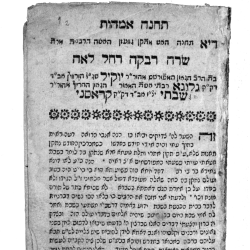
This is the Teḥinah Imahot, originally written by Leah Horowitz in Aramaic and Yiddish in the late 18th century. We have set her original Yiddish side-by-side with an expanded posthumous adaptation of her work that was widely reprinted. (For the teḥinah in Aramaic on which the Yiddish compares, go here.)
I have transcribed, to the best of my ability, the Yiddish text from the earliest printed copy, National Library of Israel (NLI), R41A460, vol. 6, no. 2, a facsimile of which was included in Dr. Moshe Rosman’s article, “Leah Horowitz’s Tkhine Imohos A Proto-Feminist Demand to Increase Jewish Women’s Religious Capital,” Polin 33 (2020). I apologize for any mistakes in this transcription; please correct it by leaving a comment or else via the contact form! The English translation of the original text was provided by Dr. Rosman, with his annotation. For a full treatment of the earliest printing of this tkhine, please consult this article. I have slightly amended Dr. Rosman’s translation to re-Hebraize names and divine names.
The expanded variation is found in The Merit of Our Mothers בזכות אמהות A Bilingual Anthology of Jewish Women’s Prayers, compiled and translated by Rabbi Tracy Guren Klirs (Cincinnati: Hebrew Union College Press, 1992), pp. 84-88. The concluding prayer is longer in this variation than in the earliest published version. To me, these expanded variations attest to the repurposing of teḥinot for pedagogical use in Jewish women’s education.
We have slightly amended Rabbi Klirs translation to re-Hebraize names and divine names, and removing a Yiddish dialectical orthography for loshen qodesh. In order to better see the amended text, the paragraph parsing follows the structure suggested by Moshe Rosman in his article. Translated text in brackets is text added by me for consistency with that structure and the Yiddish text transcribed by Klir. –Aharon N. Varady
Source(s)
Tehinah Imahot (NLI R41A460, v.6, n.2), p. 5 Tehinah Imahot (NLI R41A460, v.6, n.2), p. 6 Tehinah Imahot (NLI R41A460, v.6, n.2), p. 7 Tehinah Imahot (NLI R41A460, v.6, n.2), p. 8


Notes
| 1 | See Aramaic Piyut, Section H. |
|---|---|
| 2 | Mishnah, Avot 5:1; this refers to the ten-fold “And God said”’s in Genesis 1 and 2. |
| 3 | Mishnah, Rosh Hashanah 1-3. |
| 4 | Lamentations 5:21. |
| 5 | Cf. Hosea 14:3 and Psalms 141:2. |
| 6 | Cf. Ps. 94: 1. |
| 7 | This cataloguing of the merits of the matriarchs as the basis for Yisrael deserving divine favour is a standard trope in tkhines (see NLI R8°894501: Eyn gor sheyne tkhine; cf. the various tkhines in Klirs et al. (eds.), The Merit of Our Mothers). Weissler emphasized that the tkhine genre in general used images that related to women’s identity and implied women’s importance and power (see e.g. Weissler, Voices of the Matriarchs, 7, 48–50, 59–65, et passim). |
| 8 | See Aramaic Piyut, Section J. |
| 9 | Cf. Psalms 105:15 and I Chronicles 16:22. |
| 10 | See Gen. 27:3–18; cf. the blessing associated with Rebecca in the Aramaic text (Aramaic Piyut, Section J) and the analysis below [found in the text of Moshe Rosman’s article]. |
| 11 | Cf. Jeremiah 31:15-17. |
| 12 | Louis Ginzberg, Legends of the Jews, II, 21. |
| 13 | This paragraph conflates and embellishes several midrashic motifs concerning the matriarch Rachel (see Louis Ginzberg, Legends of the Jews, 6 vols. (Philadelphia, 1954–61), i. 415, ii. 135, iv. 310, and references; see also analysis below). |
| 14 | Louis Ginzberg, Legends of the Jews, II, 135 and VII, 396. |
| 15 | Louis Ginzberg, Legends of the Jews, i. 359, and references. |
| 16 | Aramaic Piyut, Section K. |
| 17 | Cf. Ezekiel 36:25 and Psalms 51:4. |
| 18 | Cf. Ezekiel 24:21. |
| 19 | Paraphrase of the liturgical Prayer for the New Moon. |
| 20 | From the circumcision ceremony. |
| 21 | Cf. I Samuel 21:11-16 and Psalms 34:7. |
| 22 | Louis Ginzberg, Legends of the Jews, II, 131, 140. |
“תחנה אמהות | Teḥinah Imahot for Shabbat Mevorkhim by Leah Horowitz in her Yiddish translation (ca. 1790) with its posthumously expanded adaptation” is shared through the Open Siddur Project under the Creative Commons Attribution-ShareAlike (CC BY-SA) 4.0 International copyleft license.





Leave a Reply