This is an archive of al hanissim prayers and related piyyutim written for a Purim Sheni, i.e., a second or secondary Purim. In many Jewish communities around the world, “local Purims” celebrating the survival of specific communities are made which include the retelling of stories of their redemption under chilling circumstances. Click here to contribute a reading you have written, translated, or transcribed for a Purim Sheni. Filter resources by Name Filter resources by Tag Filter resources by Category Filter resources by Language Filter resources by Date Range
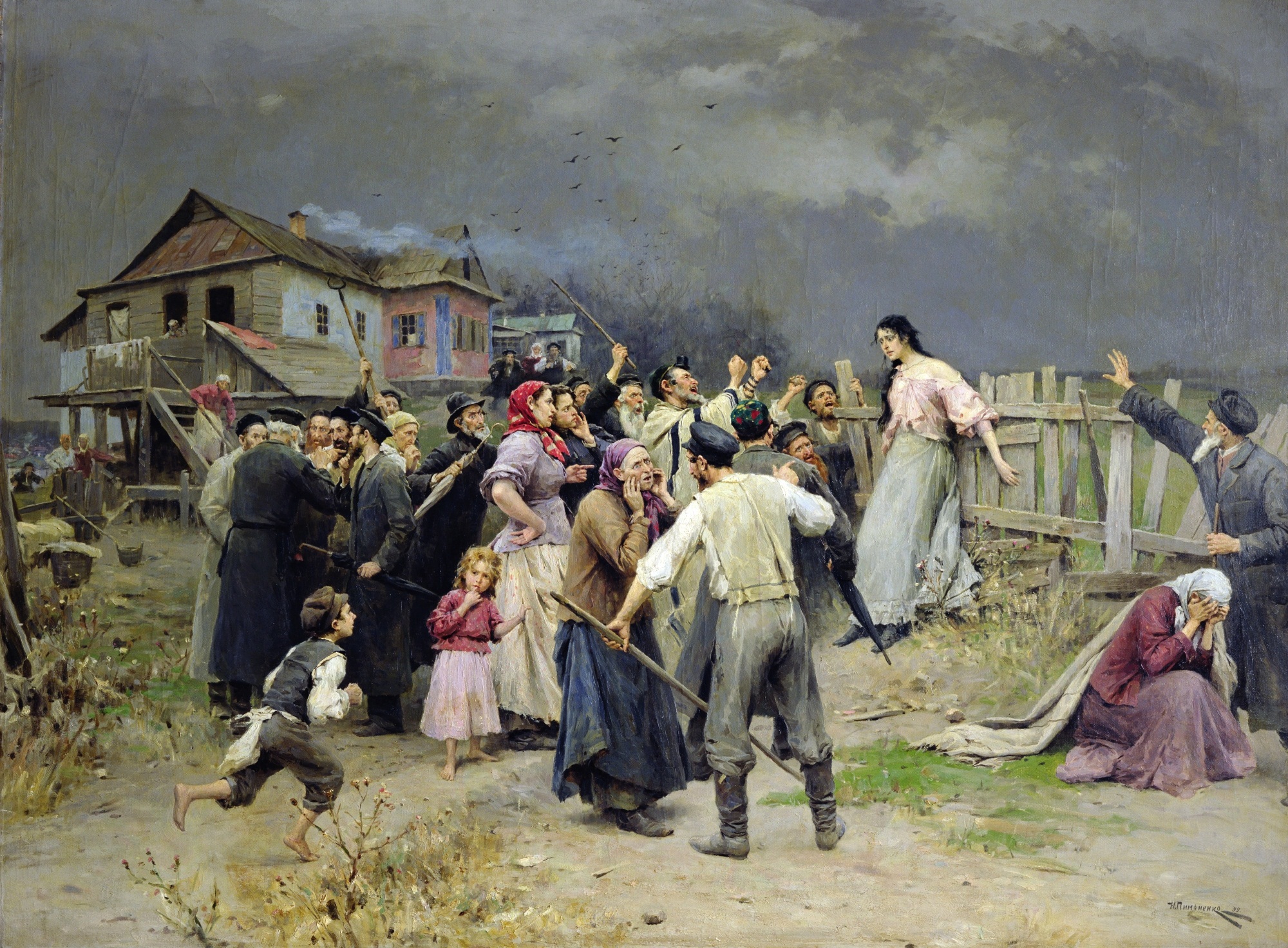
The Seder ha-Tamid, a Provençal (Nusaḥ Comtat Venaissin) siddur published in Avignon in 1766, has liturgical additions for an amazing five different local festivals — one for Avignon, and two each for Carpentras and Cavaillon. Here’s a series of piyyutim for the twenty-ninth of Sivan in Cavaillon. On 29 Sivan 5473 (23 June 1713) a Christian child was found dead and drained of blood. A mob was formed, which stormed the Jewish quarter in Cavaillon looking for any sign of blood in their houses. But none was found, and — miraculously — the total lack of evidence was enough to stop the Jews from being murdered. (Would be nice if that had worked every time there was a blood libel, seeing as there was never any evidence for something that never happened.) To commemorate this close-call escape, the Jews of Cavaillon celebrated a minor festival day, with some additional psalms, an Al haNisim poem by (the otherwise unknown) R. Gad son of R. Judah de Bédarride, and a recitation of the Song of the Sea. Categories: Tags: Contributor(s): A piyyut of the 18th century by R. David Ḥassin, one of the greatest composers of Morocco. In this piyyut, dedicated to the city of Tiberias and recounting its praises, we tour Tiberias and the graves of the tannaim and amoraim there, and come to the place of Maimonides’ burial according to tradition. From the dead, the composer moves on to tell the prose of the living – R. Ḥayyim Abulˁafia, who renewed Jewish settlement in Tiberias to where he had moved with his students in the year 5500 [1740], doing much to revitalize the Jewish settlement and build the city, for which R. David Ḥassin praises and blesses him at the conclusion of the poem. This poem was very beloved and merited widespread circulation, and is found in poetry books of many different Mizraḥi communities. This poem has also merited a number of imitations and adaptations, testifying to its great popularity. The most well-known imitation is a poem by the Israeli diaspora-emissary R. Eliyahu Ḥazzan, who arrived at Morocco, came across this song, and composed an imitation, also called “As Every Day I Hope” — except R. Eliyahu Ḥazzan’s song is dedicated to Jerusalem and tours around it. Categories: Tags: 18th century C.E., 56th century A.M., acrostic, Acrostic signature, ארץ ישראל Erets Yisrael, הבדלות havdalot, Maghrebi Jewry, Meknes, Morocco, Old Yishuv, פיוטים piyyuṭim, פזמונים pizmonim Contributor(s): The Seder ha-Tamid, a Provençal (Nusaḥ Comtat Venaissin) siddur published in Avignon in 1766, has liturgical additions for an amazing five different local festivals — one for Avignon, and two each for Carpentras and Cavaillon. I’m working on transcribing all of these, but to start, here’s an Al haNissim for the twenty-eighth of Shvat in Avignon. Written in rhymed prose, this text tells the story of a gentile who fell headfirst down a deep well near the synagogue, but successfully managed to flip himself over and wedged his feet in the walls. Even more miraculously, afterwards he declared that it was his own fault he fell in the pit! The Jews of the Comtat, an area under direct papal control at the time, were well aware of the tenuousness of their position, and were the man a talebearer then they could have faced a pogrom or exile. Categories: Tags: Contributor(s): |