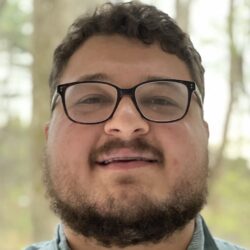
From a family of musicians, Isaac Gantwerk Mayer believes that creative art is one of the most powerful ways to get in touch with the divine. He composes music and poetry in Hebrew and English. (He also translates and authors his own original works.) Isaac runs a Jewish music transcription service, which will transcribe and set any Jewish music in any language, recorded or written. Contact his service on Facebook or via his music blog.
Filter resources by Category
🇺🇸 Abraham Lincoln's Birthday Readings | Addenda | Additional Fast Days | After the Aliyot | Aqédat Yitsḥaq | 🌐 Armistice Day Readings | Arvit l'Shabbat | Asarah b'Tevet | Asarah b'Tevet Readings | Rosh Ḥodesh Av (אָב) | Barkhu | Barukh shèAmar | Before the Aliyot | Blessings After Eating | Birkhot haTorah | Tehilim Book 3 (Psalms 73–89) | Congregation & Community | the Dry Season (Spring & Summer) | Earthquakes & Tsunamis | Epidemics & Pandemics | Erev Pesaḥ | Erev Shabbat | Extracanonical Megillot | Ḥabaquq | Pesaḥ Yamei Ḥag | Pesaḥ Readings | Ḥag haBanot (Eid el Benat) Readings | Ḥanukkah | Ḥanukkah Readings | Holocaust & Genocide Memorial Day Readings | Imminent Communal Danger & Distress | Incantations, Adjurations, & Amulets | Rosh Ḥodesh Iyyar (אִיָּר) | 🇺🇸 Juneteenth (Emancipation Day) Readings | Ḳaddish | Learning, Study, and School | Magid | Melakhim (Kings) | Midrash Aggadah | Mimouna | Seder Mimouna | Modern Miscellany | Morning Seliḥot | Motsaei Shabbat | Nirtsah | Rosh Ḥodesh Nisan (נִיסָן) | Nittel Nacht Readings | Parashat b'Shalaḥ | Parashat Éqev | Parashat Ḥuqat | Parashat Noaḥ | Parashat va'Etḥanan | Parashat Vayera | Parashat Yitro | Haggadot for the Seder Leil Pesaḥ | 7th Day of Pesaḥ | 🌐 π Day Readings | Psuqei d'Zimrah/Zemirot l'Shabbat ul'Yom Tov | Purim | Purim Readings | Purim Sheni | Purim Sheni Readings | Ḳadesh | Qedushah | Repenting, Resetting, and Reconciliation | Rosh haShanah (l’Maaseh Bereshit) | Rosh haShanah la-Behemah Readings | Rosh haShanah la-Ilanot (Tu biShvat) | Second Temple Period | Seder haTefilot laTaaniyot | Seder intro | Sefirat ha-Omer | Seudat Leil Shabbat | Seudat Purim | Shabbat haGadol | Shabbat Məvorkhim | Musaf l'Shabbat | Shabbat Readings | Shaḥarit l'Shabbat ul'Yom Tov | Shavuot | Shavuot Readings | Shemini Atseret | Shemini Atseret Readings | Shir haShirim (the Song of Songs, Canticles) | Shiv'ah Asar b'Tamuz | Shiv'ah b'Adar | Sigd Festival | Simḥat Torah | Khaf Sivan | Torah Study | Symbolic Foods | 🤦︎ Taḥanun (Nefilat Apayim) | Tishah b'Av | Tishah b'Av Readings | Rosh Ḥodesh Tishrei (תִּשְׁרֵי) | Engagements & Weddings | Well-being, health, and caregiving | the Wet Season (Fall & Winter) | Labor, Fulfillment, and Parnasah | Yaḥats | 🇮🇱 Yom ha-Atsma'ut Readings | Yom haḲeshet (27 Iyyar) Readings | Yom Kippur | Yom Kippur Readings | Yom Meturgeman | Yom Simḥat Kohen | Yonah | Yotser Or
Filter resources by Tag
Filter resources by Name
Filter resources by Language
Filter resources by Date Range
Contributed by:
Isaac Gantwerk Mayer (transcription & naqdanut), Isaac Gantwerk Mayer (translation), Isaac ben Moses of Vienna
This is the second piyyuṭ in a yotsrot cycle for the Shabbat before Rosh haShanah, according to Minhag Polin (as traditionally practiced in the Ashkenazi communities of northeastern Germany and Poland), all written by a Rabbi Yitzḥak ben Moshe haLevi according to the authorial acrostic. Zunz identifies the author as Rabbi Isaac ben Moses of Mainz, who died in the Gzerot Tatno of 1096. Fraenkel disputes this and suggests Rabbi Isaac ben Moses of Vienna (a/k/a the Or Zarua), of the Ḥasidei Ashkenaz, who died in around 1270. The ofan is an invocation to the listener to repent, calling upon specific angels by name. Also included is the German text of Isaac Seligman Baer’s Avodat Yisrael translation, in modernized spelling.
Contributed by:
Isaac Gantwerk Mayer (transcription & naqdanut), Isaac Gantwerk Mayer (translation), Isaac Seligman Baer, Yaaqov ben Meir
An ofan piyyuṭ for the second shabbat after Pesaḥ, as well as the Shabbat between Yom Kippur and Sukkot, recited in the minhag of Pehm and Bruna (Bohemia and Moravia). Signed with the name “Yaakov,” this ofan is of uncertain origin but has been attributed to R. Yaakov ben Meir, more well known as Rabbeinu Tam. Also included is Seligman Baer’s German translation, as well as an original English translation.
Contributed by:
Isaac Gantwerk Mayer (transcription & naqdanut), Isaac Gantwerk Mayer (translation), Menaḥem ben Makhir
The ofan piyyuṭ for Shabbat Shuva, minhag Polin, by the great payṭan Menaḥem ben Rabbi Makhir. A half-acrostic, each stanza begins with a word from parashat Ha’azinu, usually read on Shabbat Shuva, and ends with a verse that includes the word “holy” or “sanctify” in it.
Contributed by:
Isaac Gantwerk Mayer (transcription & naqdanut), Isaac Gantwerk Mayer (translation), Binyamin bar Zeraḥ
An ofan (a piyyut inserted into the Qedusha d’Yotser) recited in the eastern Ashkenazi Minhag Polin rite for Shabbat haGadol. Signed “Benjamin,” Davidson ascribes it to the great paytan R. Binyamin bar Zeraḥ, possibly as part of the same poetic cycle as Itti MiLvanon (his yotser for the same day).
Contributed by:
Isaac Gantwerk Mayer (translation), Isaac Gantwerk Mayer (transcription & naqdanut), Unknown
This anonymous ofan, also recited on the second day of Shavuot in some communities, uses alliteration to describe the many hosts of angels descending upon Sinai in awe and reverence as the Torah was given. The translation preserves the alliteration over the alphabet, seeing as the ofan in this form doesn’t include the entire alphabet either. As an ofan, it is recited within the Ḳedusha d-Yotser, between the verses of Isaiah and Ezekiel (included here). The ofan is recited on the second day of Shavuot in some communities.
![the Open Siddur Project [logo]](https://opensiddur.org/wp-content/uploads/2018/09/Open-Siddur-Project-Logo-2016.svg)


