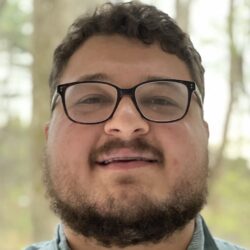
From a family of musicians, Isaac Gantwerk Mayer believes that creative art is one of the most powerful ways to get in touch with the divine. He composes music and poetry in Hebrew and English. (He also authors his own original works and transcribes Hebrew and Aramaic text, adding niqqud and t'amim as needed.) Isaac runs a Jewish music transcription service, which will transcribe and set any Jewish music in any language, recorded or written. Contact his service on Facebook or via his music blog.
Filter resources by Category
🇺🇸 Abraham Lincoln's Birthday (February 12th) | 🇺🇸 Abraham Lincoln's Birthday Readings | Addenda | Additional Fast Days | Additional Preparatory Prayers | After the Aliyot | Weekday Amidah | Aqédat Yitsḥaq | 🌐 Armistice Day Readings | Arvit l'Shabbat | Asarah b'Tevet | Asarah b'Tevet Readings | Ashrei | Rosh Ḥodesh Av (אָב) | Morning Baqashot | Barekh | Barkhu | Barukh shèAmar | Bedtime Shema | Before the Aliyot | Berakhot she'Asani | Blessings After Eating | Birkhot haTorah | Bnei (Bar/Bat) Mitsvah & Other Birthday Prayers | Tehilim Book 5 (Psalms 107–150) | Tehilim Book 4 (Psalms 90–106) | Tehilim Book 1 (Psalms 1–41) | Tehilim Book 3 (Psalms 73–89) | Tehilim Book 2 (Psalms 42–72) | Brit Milah & Simḥat Bat | 🇺🇸 National Brotherhood Week | Slavery & Captivity | Congregation & Community | Sefer Devarim (Deuteronomy) | the Dry Season (Spring & Summer) | 🇺🇸 Education and Sharing Day | Eikhah (Lamentations) | Epidemics & Pandemics | Erev Pesaḥ | Erev Shabbat | Extracanonical Megillot | Ezra-Neḥemiah | Pogroms & Genocide | 🇩🇪 Germany | Government & Country | Ḥabaquq | Pesaḥ Yamei Ḥag | Pesaḥ Readings | Ḥag haBanot (Eid el Benat) Readings | Ḥaggai | Hallel for Festivals & Rosh Ḥodesh | Hallel | Ḥanukkah | Ḥanukkah Readings | Hateful Intolerance, Prejudice, and Bigotry | Holocaust & Genocide Memorial Day Readings | Imminent Communal Danger & Distress | Incantations, Adjurations, & Amulets | 🇺🇸 Independence Day Readings | 🇮🇪 Ireland | Rosh Ḥodesh Iyyar (אִיָּר) | 🇺🇸 Juneteenth | 🇺🇸 Juneteenth (Emancipation Day) Readings | Ḳaddish | Learning, Study, and School | Magid | Rosh Ḥodesh Marḥeshvan (מַרְחֶשְׁוָן) | 🇮🇱 Medinat Yisra'el (the State of Israel) | Melakhim (Kings) | Midrash Aggadah | Midrash Halakhah | Mimouna | Seder Mimouna | Modern Miscellany | Morning Seliḥot | Motsaei Shabbat | Mourning | Mussar (Ethical Teachings) | Nirtsah | Rosh Ḥodesh Nisan (נִיסָן) | Nittel Nacht Readings | Parashat b'Shalaḥ | Parashat Devarim | Parashat Éqev | Parashat Ḥuqat | Parashat va'Etḥanan | Parashat Vayera | Parashat Yitro | Haggadot for the Seder Leil Pesaḥ | Pesaḥ | 7th Day of Pesaḥ | 🌐 π Day Readings | Psalm of the Day | Psalms 149 | Psalms 150 | Psuqei d'Zimrah/Zemirot l'Shabbat ul'Yom Tov | Purim | Purim Sheni | Purim Sheni Readings | Ḳabbalat Shabbat | Ḳadesh | Qedushah | Reading Schedules | Repenting, Resetting, and Reconciliation | Rosh haShanah (l’Maaseh Bereshit) | Rosh haShanah la-Behemah | Rosh haShanah la-Behemah Readings | Rosh haShanah la-Ilanot (Tu biShvat) | Tu biShvat Readings | Rosh haShanah la-Melakhim | Rosh Ḥodesh | Rosh Ḥodesh Readings | Rūt (Ruth) | Samaritan Prayerbooks | Saturday | Second Temple Period | Seder al-Tawḥid | Seder haTefilot laTaaniyot | Seder intro | Sefirat ha-Omer | Sefirat ha-Omer Readings | Seudat Leil Shabbat | Seudat Purim | Shabbat haGadol | Shabbat Kallah Readings | Shabbat Məvorkhim | Minḥah l'Shabbat | Musaf l'Shabbat | Shabbat Readings | Shaḥarit l'Shabbat ul'Yom Tov | Shabbat Siddurim | Social Justice, Peace, and Liberty | Shavuot | Shavuot Readings | Shemini Atseret | Shemini Atseret Readings | Sefer Shemot (Exodus) | Shir haShirim (the Song of Songs, Canticles) | Shirat ha-Yam | Shiv'ah Asar b'Tamuz | Shiv'ah b'Adar | Shiv'ah b'Adar Readings | Sigd Festival | Sigd Festival Readings | Simḥat Torah | Khaf Sivan | Special Haftarot | Torah Study | Sukkot | Symbolic Foods | Taanit Esther | 🤦︎ Taḥanun (Nefilat Apayim) | Tehilim (Psalms) | Terror | Tishah b'Av | Tishah b'Av Readings | Rosh Ḥodesh Tishrei (תִּשְׁרֵי) | 🌐 Transgender Day of Remembrance (November 20th) | 🌐 Transgender Day of Visibility (March 31st) | Travel | Tsom Gedalyah | Tu b'Av | 🇺🇸 Veterans Day Readings | War | Engagements & Weddings | Well-being, health, and caregiving | the Wet Season (Fall & Winter) | Labor, Fulfillment, and Parnasah | Yaḥats | Yeshayah (Isaiah) | Yirmiyah (Jeremiah) | Yishtabaḥ Shimkha | 🇮🇱 Yom ha-Atsma'ut (5 Iyyar) | 🇮🇱 Yom ha-Atsma'ut Readings | 🇮🇱 Yom haShoah (27 Nisan) | Yom Kippur | Yom Meturgeman | Yom Simḥat Kohen | Yotser Or
Filter resources by Tag
Filter resources by Name
Filter resources by Language
Filter resources by Date Range
Resources filtered by TAG: “phonetic acrostic translation”
(clear filter)
Contributed by:
Isaac Gantwerk Mayer (transcription & naqdanut), Isaac Gantwerk Mayer (translation), Mordekhai ben Shabtai, Shlomo ibn Gabirol, Unknown
Traditional Ashkenazi practice entailed the recitation of a large number of seliḥot piyyutim in every single one of the Yom Kippur ‘amidot. In many Ashkenazi communities today, these are (excepting Ma’ariv and Ne’ilah) skipped on account of time. But this has always felt like a great shame to me, because seliḥot are, in a sense, the theological and liturgical core of the Yom Kippur practice. So a while back I made a bunch of spreadsheets to compare all the attested Yom Kippur seliḥot rites as listed in Goldschmidt’s maḥzor, and designed an abbreviated cycle of seliḥot for Shaḥarit, Musaf, and Minḥah. Each cycle features two regular seliḥot, one ‘aqedah (a retelling of the binding of Isaac), and one pizmon (a final seliḥah with a repeated refrain, sung communally), for a total of four seliḥot and five repetitions of the thirteen attributes. This is the first result of this process, for Shaḥarit. Musaf and Minḥah selections will arrive eventually, albeit probably not this year.
Contributed by:
Isaac Gantwerk Mayer (transcription & naqdanut), Isaac Gantwerk Mayer (translation), Yoav ben Yeḥiel of Rome
This rəshut, or introductory piyyuṭ, is recited in the Italian rite before Nishmat Kol Ḥai on (the first day) of Rosh haShanah. It was written by the fourteenth-century payṭan R. Yoav ben Yeḥiel of Rome. Also included is a rhyming acrostic translation.
Contributed by:
Isaac Gantwerk Mayer (transcription & naqdanut), Isaac Gantwerk Mayer (translation), Avraham ibn Ezra
“Yom Nilḥamu Vi” is the reshut offered before the Barkhu preceding the Shaḥarit blessings before the Shema. It is the eighth reshut among the reshuyot in the Old Sefaradi Tiqun for Shabbat Ḥazon — the final shabbat before 9 Av.
Contributed by:
Isaac Gantwerk Mayer (transcription & naqdanut), Isaac Gantwerk Mayer (translation), Avraham ibn Ezra
“Nishmat Emunim” is the third reshut offered before Nishmat at the outset of the Zemirot (preceding Shaḥarit). It is the fifth reshut among the reshuyot in the Old Sefaradi Tiqun for Shabbat Ḥazon — the final shabbat before 9 Av.
Contributed by:
Isaac Gantwerk Mayer (transcription & naqdanut), Isaac Gantwerk Mayer (translation), Yehudah ben Shmuel haLevi
“Halanofelim Tequmah” is the second reshut offered before Nishmat at the outset of Shaḥarit (concluding the Zemirot). It is the fourth reshut among the reshuyot in the Old Sefaradi Tiqun for Shabbat Ḥazon — the final shabbat before 9 Av.
Contributed by:
Isaac Gantwerk Mayer (transcription & naqdanut), Isaac Gantwerk Mayer (translation), Mosheh ben Yaaqov ibn Ezra
“Nilah l’Heilil” is the fourth reshut offered before Nishmat at the outset of the Zemirot (preceding Shaḥarit). It is the sixth reshut among the reshuyot in the Old Sefaradi Tiqun for Shabbat Ḥazon — the final shabbat before 9 Av.
Contributed by:
Isaac Gantwerk Mayer (transcription & naqdanut), Isaac Gantwerk Mayer (translation), Yitsḥak ben Yehudah Ibn Ghayyāth HaLevi
“Heikhal [Hashem]” is the reshut offered before the Qaddish preceding Barkhu and the Shaḥarit blessings before the Shema. It is the seventh reshut among the reshuyot in the Old Sefaradi Tiqun for Shabbat Ḥazon — the final shabbat before 9 Av.
Contributed by:
Isaac Gantwerk Mayer (transcription & naqdanut), Isaac Gantwerk Mayer (translation), Haḇiḇ ben Yitsḥaq Toledano
“Qol Ohalah” is the reshut offered before the Torah service following Shaḥarit. It is the ninth reshut among the reshuyot in the Old Sefaradi Tiqun for Shabbat Ḥazon — the final shabbat before 9 Av.
Contributed by:
Isaac Gantwerk Mayer (transcription & naqdanut), Isaac Gantwerk Mayer (translation), Yosef ibn al-Bensuli of Toledo
“Éikh Mishkenai Elyōn” is the first reshut offered before Nishmat at the outset of Shaḥarit (concluding the Zemirot). It is the third reshut among the reshuyot in the Old Sefaradi Tiqun for Shabbat Ḥazon — the final shabbat before 9 Av.
Contributed by:
Isaac Gantwerk Mayer (transcription & naqdanut), Isaac Gantwerk Mayer (translation), Unknown
“Boré ‘ad Anah” is the second reshut offered before the Torah service following Shaḥarit. It is the tenth reshut among the reshuyot in the Old Sefaradi Tiqun for Shabbat Ḥazon — the final shabbat before 9 Av.
![the Open Siddur Project [logo]](https://opensiddur.org/wp-content/uploads/2018/09/Open-Siddur-Project-Logo-2016.svg)


