![the Open Siddur Project [logo]](https://opensiddur.org/wp-content/uploads/2018/09/Open-Siddur-Project-Logo-2016.svg)
Contributed by: Isaac Gantwerk Mayer (transcription & naqdanut), Isaac Gantwerk Mayer (translation), Unknown
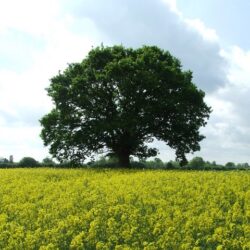
Additional early rabbinic and other sources supplementing the story of the Martyrdom of Isaiah, with attention to Isaiah being granted sanctuary in a tree.
Contributed by: Aharon N. Varady (transcription), Seckel Isaac Fränkel (translation), Unknown, Jason of Cyrene
It is challenging to think of how to mark Nicanor Day, as it remains at a disadvantage, not only on years when it conflicts with Ta’anit Esther but on all years since it has no mitzvot. This is probably the main reason that, unlike Chanukah and Purim, it was lost to Jewish practice for more than a thousand years. Nevertheless, we do have its megillah, which has been translated into Hebrew and English. Perhaps, if we start reading chapters 13-15 of 2 Maccabees, even just to ourselves, on the 13 of Adar, we can begin to resurrect a holiday that was celebrated and instituted by Judah Maccabee and his followers over two millennia ago, and which they envisioned would continue throughout Jewish History. With the return of Jews to Israel and Jewish sovereignty to Jerusalem, I believe it is about time.
Contributed by: Unknown, Aharon N. Varady (translation)
The blessings for kindling the Ḥanukkah lights in Hebrew with English translation.
Contributed by: Jason of Cyrene, Septuagint/ⅬⅩⅩ (translation), Unknown, Aharon N. Varady (transcription)
Selections from 1 Maccabees, 2 Maccabees, and Pesiqta Rabbati which inform the story of Ḥanukkah: the desecration and re-dedication of the Temple (especially as it relates to Sukkot and the Brumalia), divine intervention in the Maccabean battles, and the Rekindling of the Sacred Fire.
Contributed by: Isaac Gantwerk Mayer (transcription & naqdanut), Isaac Gantwerk Mayer (translation), Unknown
The following is a cnatillated Hebrew translation of the Martyrdom of Isaiah, the Jewish core of the work — 1:1—3:12 and 5. Also included is the corresponding Geʽez text, and the preserved fragments of the Greek text when available. When proper names are mentioned in the text attested in Greek, the translation follows the Greek.
Contributed by: Yaacov Maoz, Unknown, Aharon N. Varady (translation)
The popular piyyut for welcoming the Shabbat, in Hebrew with translations in Assyrian-Aramaic and English.
Contributed by: Jacques Faïtlovitch (translation), Unknown, Isaac Gantwerk Mayer (translation)
The text of the Betä ʾƎsəraʾel legend of the death of Moses, translated to Hebrew by Jacques Faïtlovitch, and vocalized, cantillated, and translated into English by Isaac Gantwerk Mayer.
Contributed by: Isaac Gantwerk Mayer (transcription & naqdanut), Isaac Gantwerk Mayer (translation), Unknown
This is the first of four apocryphal psalms from the Cairo Geniza, MS RNL Antonin 798, vocalized and cantillated per Masoretic norms, and translated anew. The origin of these psalms (found in a few pages of an incomplete manuscript) is unclear, with earlier scholars suggesting a medieval pious forgery and more recent scholars suggesting an origin in or contemporaneous with the Qumran community. (In any case, no sign of them has been found in the Qumran scrolls, although some aspects of the Hebrew may suggest a relationship there.) The first psalm found in this partial manuscript is an acrostic psalm. It is incomplete at the beginning, missing the letters alef and bet. It also shows evidence of the Galilean dialect in the confusion between hei and ḥet, a guttural merger also found in Qumran texts and in Samaritan Hebrew. It largely focuses on the covenant with David and his rule.
Contributed by: Theodotion (translation/Greek), Unknown, Aharon N. Varady (transcription), Isaac Gantwerk Mayer (translation)
The story of Bel and the Dragon according to the text of Theodotion, translated into biblical Hebrew.
Contributed by: Isaac Gantwerk Mayer (transcription & naqdanut), Isaac Gantwerk Mayer (translation), Unknown
This is the second of four apocryphal psalms from the Cairo Geniza, MS RNL Antonin 798, vocalized and cantillated per Masoretic norms, and translated anew. The origin of these psalms (found in a few pages of an incomplete manuscript) is unclear, with earlier scholars suggesting a medieval pious forgery and more recent scholars suggesting an origin in or contemporaneous with the Qumran community. (In any case, no sign of them has been found in the Qumran scrolls, although some aspects of the Hebrew may suggest a relationship there.) The second psalm found in this partial manuscript is preserved in its entirety and preserves an introductory schema found for the rest of the psalms here and likely missing from the first. Perhaps the text originally included psalms for each day in Iyyar! This psalm begins by invoking martyrdom, with the powerful image of a shephard killing his own flock. It then transitions into universalist-messianic language reminiscent of texts such as the second paragraph of Aleinu and the Rosh haShanah piyyut Va-ye’etayu, then discussing the beauty of the Torah before ending with a catena of blessings.
Contributed by: Theodotion (translation/Greek), Unknown, Aharon N. Varady (transcription), Isaac Gantwerk Mayer (translation)
The story of Shoshanah & the Elders, according to the text of Theodotion translated into Biblical Hebrew.
Contributed by: Isaac Gantwerk Mayer (transcription & naqdanut), Isaac Gantwerk Mayer (translation), Unknown
This is the third of four apocryphal psalms from the Cairo Geniza, MS RNL Antonin 798, vocalized and cantillated per Masoretic norms, and translated anew. The origin of these psalms (found in a few pages of an incomplete manuscript) is unclear, with some suggesting a medieval pious forgery and others suggesting an origin in the Qumran community. (In any case, no sign of them has been found in the Qumran scrolls, although some aspects of the Hebrew may suggest a relationship there.) Preserved in its entirety, the third psalms in Antonin 798 largely focuses on reversal of fortune. It also appears to invoke the memory of Moshe, but not by name.
Contributed by: Isaac Gantwerk Mayer (transcription & naqdanut), Isaac Gantwerk Mayer (translation), Unknown
This is the third of four apocryphal psalms from the Cairo Geniza, MS RNL Antonin 798, vocalized and cantillated per Masoretic norms, and translated anew. The origin of these psalms (found in a few pages of an incomplete manuscript) is unclear, with some suggesting a medieval pious forgery and others suggesting an origin in the Qumran community. (In any case, no sign of them has been found in the Qumran scrolls, although some aspects of the Hebrew may suggest a relationship there.) Preserved in its entirety, the third psalms in Antonin 798 largely focuses on reversal of fortune. It also appears to invoke the memory of Moshe, but not by name.
Contributed by: Unknown, Naomi Socher-Lerner
The Yom Kippur vidui — confession — translated by Naomi Socher-Lerner.
Contributed by: Zalman Schachter-Shalomi (translation), Unknown
This English translation of the blessing for Torah study by Rabbi Zalman Schachter-Shalomi z”l, was first published in his Siddur Tehillat Hashem Yidaber Pi (2009). Versification according to the Nusaḥ ha-ARI z”l by Aharon Varady.
Contributed by: Unknown, Isaac Gantwerk Mayer (transcription & naqdanut), Isaac Gantwerk Mayer (translation)
The Geshem prayer for Shmini Atzeret in the Maḥzor Aram Ṣoba has some things in common with other Geshem texts, but its most unique facets are twofold. First and most obviously, the extensive catena of verses from Torah, Neviim and Ketuvim that falls between the introductory announcement and the piyyutim themselves. And second, several Aramaic passages relatively rare in other texts, which seem to reflect an archaic form predating the adoption of Arabic as the spoken language of the Aleppo Jews. (These Aramaic passages are marked in green in the transcription.) As standard in Eastern practice, especially in the Maḥzor Aram Ṣoba (which shows a surprisingly modern reticence to interrupt the ‘amidah), this prayer is placed after the Torah service and before musaf begins.
Contributed by: Zalman Schachter-Shalomi (translation), Unknown, Aharon N. Varady (transcription)
Rabbi Zalman Schachter-Shalomi, z”l, included his translation of the Birkhot haShaḥar in his Siddur Tehillat Hashem Yidaber Pi (2009).
Contributed by: Zalman Schachter-Shalomi (translation), Unknown, Aharon N. Varady (transcription)
Rabbi Zalman Schachter-Shalomi, z”l, included his translation of the Birkhot haShaḥar in his Siddur Tehillat Hashem Yidaber Pi (2009).
Contributed by: Zalman Schachter-Shalomi (translation), Aharon N. Varady (transcription), Unknown
The prayer El Malé Raḥamim, translated by Rabbi Zalman Schachter-Shalomi.
Contributed by: David Levi (translation), Unknown, Aharon N. Varady (transcription)
The mi sheberakh read for the well-being of Jewish congregations worldwide.


